

Digest of the day
November 17, 2026
10 stories

Amazon and Walmart will capture 89% of US retail media's 2026 growth, per WARC and eMarketer, as spend outside them slows to 9.8% in 2027. The Trade Desk's Andrew Eifler warns measurement is broken while Google and Meta pull roughly $491 billion in combined ad revenue, about 40% of the market. Kazakhstan will cap ad-spend tax deductions starting 2027.
DoorDash Ads-sponsored guide gives agencies six questions to vet commerce media networks
Marketing Dive published sponsored content from DoorDash Ads on Nov. 16, 2026, laying out six questions agencies should ask before investing in a commerce media network. Deb Bhattacherjee, DoorDash's industry manager of agency partnerships, is quoted throughout, pressing agencies to weigh incremental reach and proven incrementality alongside audience scale. DoorDash reported more than 56 million monthly active users at year-end 2025, with DoorDash, Wolt and Deliveroo together supporting over 400,000 advertisers as of June 2026. A June 2026 LiveRamp analysis cited in the piece found more than 80% of consumers reached through DoorDash campaigns were new to advertisers' customer bases. The piece also cites an eMarketer and TransUnion report showing only 52% of brand and agency marketers currently run incrementality testing, and notes DoorDash pursued Incrementality Certification from the Alliance for Audited Media.

WARC: retail media growth outside Amazon to slow to 9.8% in 2027, lowest on record
Amazon and Walmart captured 85.5% of US retail media spend in 2025, leaving 14.5% split among every other network. eMarketer expects Amazon and Walmart to take 89% of the market's growth in 2026, while every other tracked network's share stays flat or falls through 2027. McKinsey found a third of US advertisers used nine or more commerce media networks in 2025, and overlapping audiences make those networks hard to tell apart. WARC forecasts that global retail media growth outside Amazon will slow to 9.8% in 2027, the lowest rate since it began tracking the market. Kevel CEO James Avery, whose ad infrastructure company recently raised $52 million, told AdExchanger that "consolidation is going to happen." NIQ's CMO Outlook survey found 67% of CMOs plan to raise retail media spending in 2026; only 53% believe current networks provide adequate measurement and attribution.

Displayce: 93% of MENA programmatic DOOH budgets in 2025 targeted markets abroad
WPP Media projected digital would account for close to 39 per cent of OOH revenue in MENA in 2025, Melissa Desfontaines, Displayce's Head of Sales MENA, writes in Campaign Middle East. Most of that inventory is still bought through direct deals and fixed packages, the method used for static billboards. Programmatic use in the region comes mainly from tourism boards, airlines and hospitality brands reaching travellers outside their home market: on Displayce's platform, 93 per cent of the programmatic DOOH budgets placed by MENA advertisers in 2025 were activated outside the region. Desfontaines cites one campaign placed through a platform this year that reached 13 media owners across three supply-side platforms and four continents as a single unified plan. She argues programmatic lets brands buy DOOH by screen, hour and audience context, bringing the same discipline already applied to display, video and CTV.
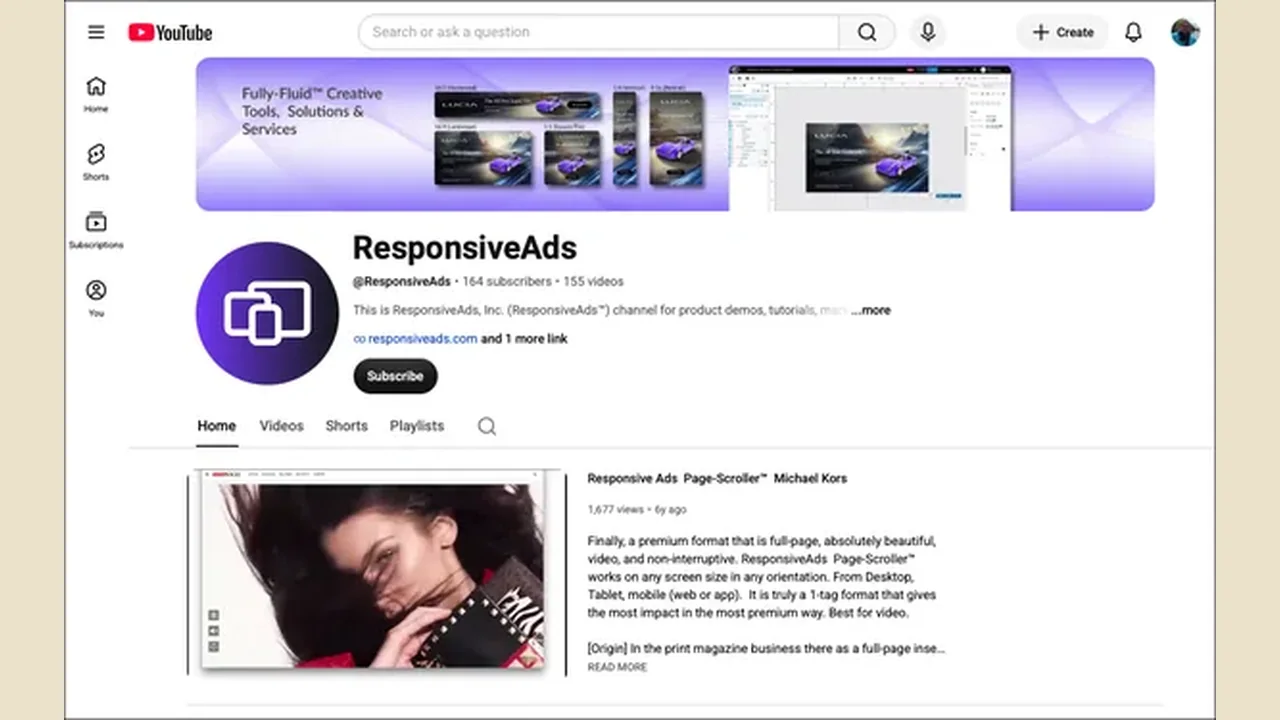
Google adds API support for responsive YouTube ads in DV360
Google updated Display & Video 360 API v5 last week to let developers create, update and delete responsive YouTube ads. Advertisers can now manage video ads that adapt automatically across formats including in-stream, bumper, skippable and non-skippable ads, Shorts and in-feed placements, with the specific format set by the campaign's line item subtype and rules. One ad setup can run across multiple formats. Creative assets are managed through the advertisers.adAssets service, the method Google already uses for Demand Gen ads. The update covers four YouTube and partner line item types built for awareness and view campaigns. Marketers still build advertising groups and line items in the Display & Video 360 interface or through Structured Data File uploads. Single-format YouTube ads and instant deal purchases, both guaranteed and non-guaranteed, are excluded. Version 5 remains in public beta, and Google says future updates may change current behavior.
Trade Desk VP says ad measurement is broken as Google, Meta take 40% of ad spend
Andrew Eifler, VP of product management at The Trade Desk, argues in a Current op-ed that advertising measurement no longer shows whether campaigns grow businesses. Google and Meta generated roughly $491 billion in ad revenue in 2025, over 40% of global ad spend, up from about 15% a decade ago; adding Amazon pushes the three companies past half of the ad market outside China. Eifler cites Michael Farmer's research showing P&G, Unilever, Nestlé and Colgate-Palmolive grew combined revenue roughly 1.1% a year between 2009 and 2024, about half the pace of GDP. He points to System1 data showing 85% of digital ads miss the 2.5-second attention threshold linked to memory, even though the industry counts an ad as viewable after one or two seconds. Eifler calls for measurement that sits outside the platforms selling the ads.

Kazakhstan to limit ad-spend tax deductions from 2027, agencies warned at RAF-2026
Kazakhstan's government used the RAF-2026 forum in Almaty to announce Tax Code changes that will cap corporate income tax deductions on advertising spend starting in 2027, alongside new limits on promoting sugar products in children's digital content. "The market is used to working in a gray zone of interpretations," said Viktor Eliseev, president of CARA, who added that agencies will need to recalculate margins under the new tax rules. The same forum tracked Kazakhstan's retail media boom: K' Research Central Asia found 71% of residents in major cities visit e-commerce platforms monthly and 34% daily, pushing retail media's share of digital ad spend from 1% to 4% in three years. Ozon Ads and Uzum Market representatives said brands lacking a marketplace data strategy lose up to 15% of potential revenue in pre-holiday periods. CARA also signed a cooperation memorandum with TÜREK, the Turkic world's marketing union, linking Kazakhstan, Turkey and Azerbaijan into a combined audience of 160 million.
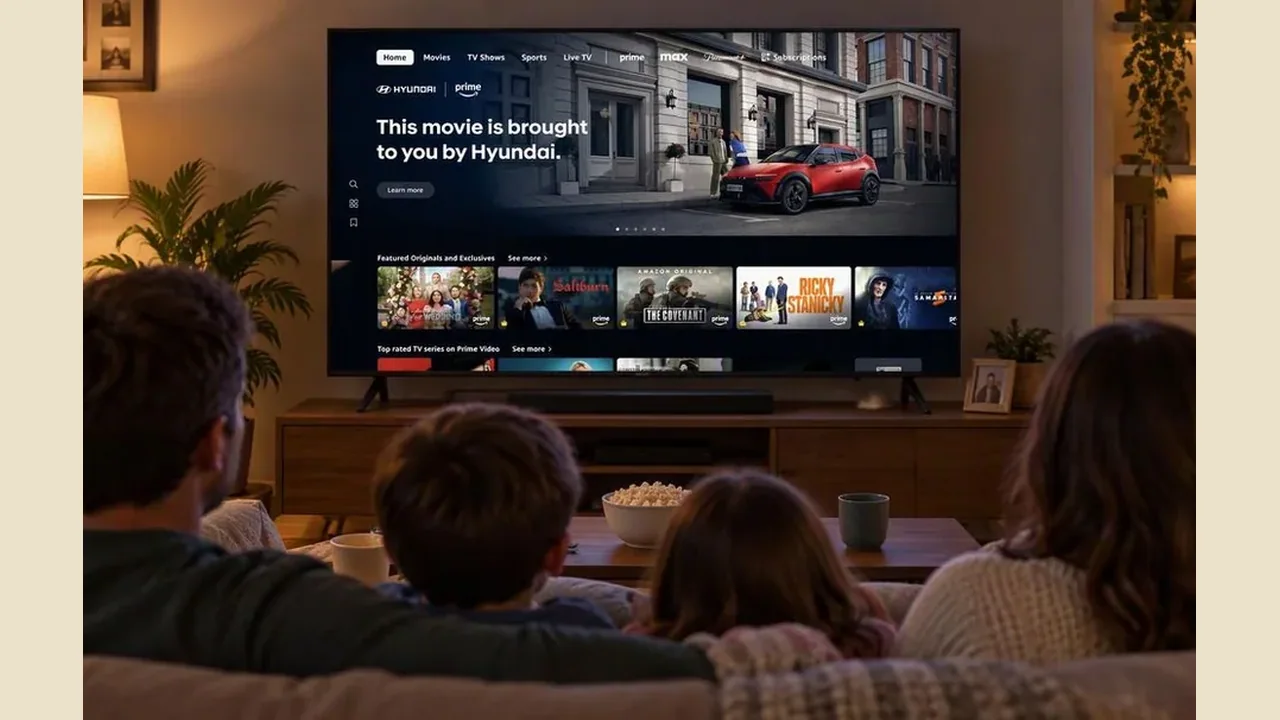
Google, Apple and Amazon expand free TV content: 300+ channels, podcast push
Google TV Freeplay now carries more than 300 free live channels and over 10,000 movies and TV episodes, with programming from A24, Lionsgate, Bloomberg TV+ and The Martha Stewart Channel, plus partners Sony, TCL and Hisense. Apple is adding subscription-free video podcasts to its TV app, a distribution network it says reaches more than a billion devices; the company reports that 35% of customers who watch video podcasts switch between audio and video versions at least once a month. Amazon continues to build out Fire TV Channels, its free ad-supported service, alongside the ad-supported tier of Prime Video. Advanced Television reported the moves on November 16, describing smart TV home screens as becoming direct destinations for free, ad-funded viewing.
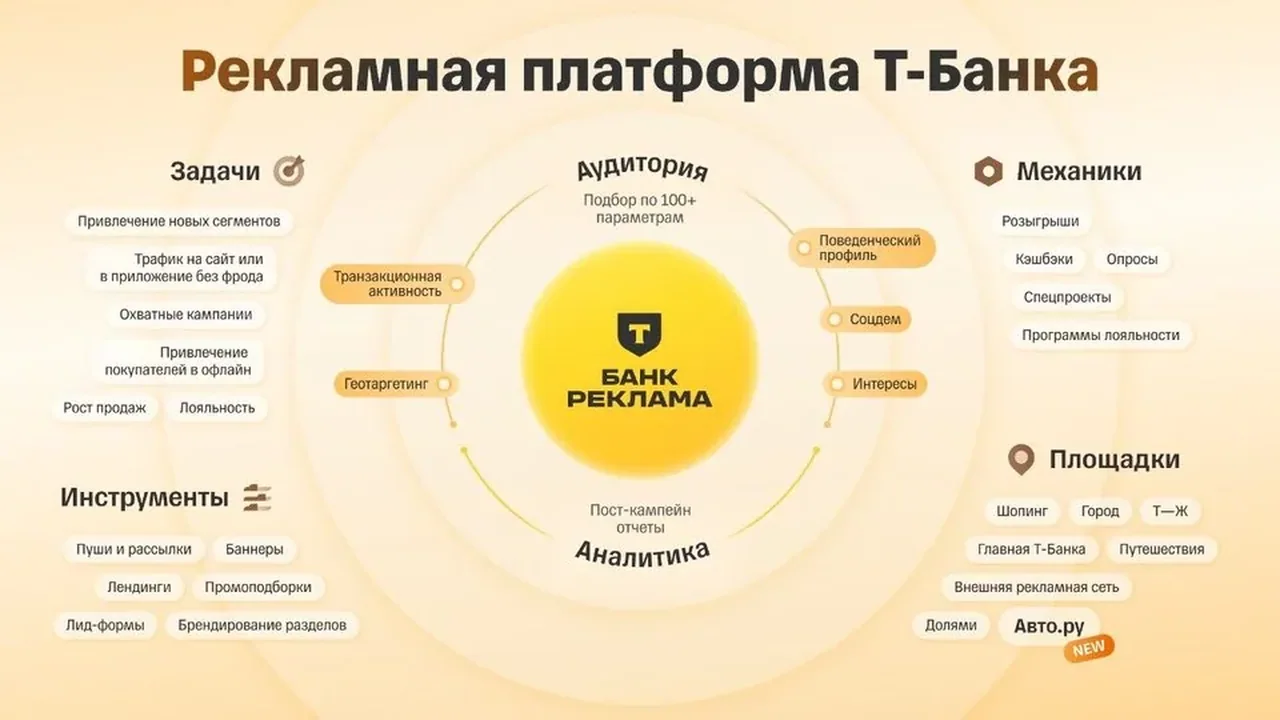
Avto.ru ad inventory joins T-Bank's advertising platform for cross-platform campaigns
T-Bank Reklama clients can now run joint advertising campaigns across Avto.ru and the T-Bank app, the bank's press service told AdIndex. The ad platform lets auto brands and distributors manage display placements on Avto.ru directly, and transactional data lets advertisers target bank customers who own a car or show interest in auto topics. Avto.ru draws more than 30 million users a month, and an internal study found 44% of new car buyers used the service while shopping in 2025. The platform adds new formats: special projects with brand zones and model launch pages, model cards, partner articles in Avto.ru Magazine, which reaches 8.5 million readers a month, and banner placements. Avto.ru joined the T-Technologies ecosystem in June 2026.
Max messenger ad market hits 1 billion rubles in H1 2026, agencies report five gaps
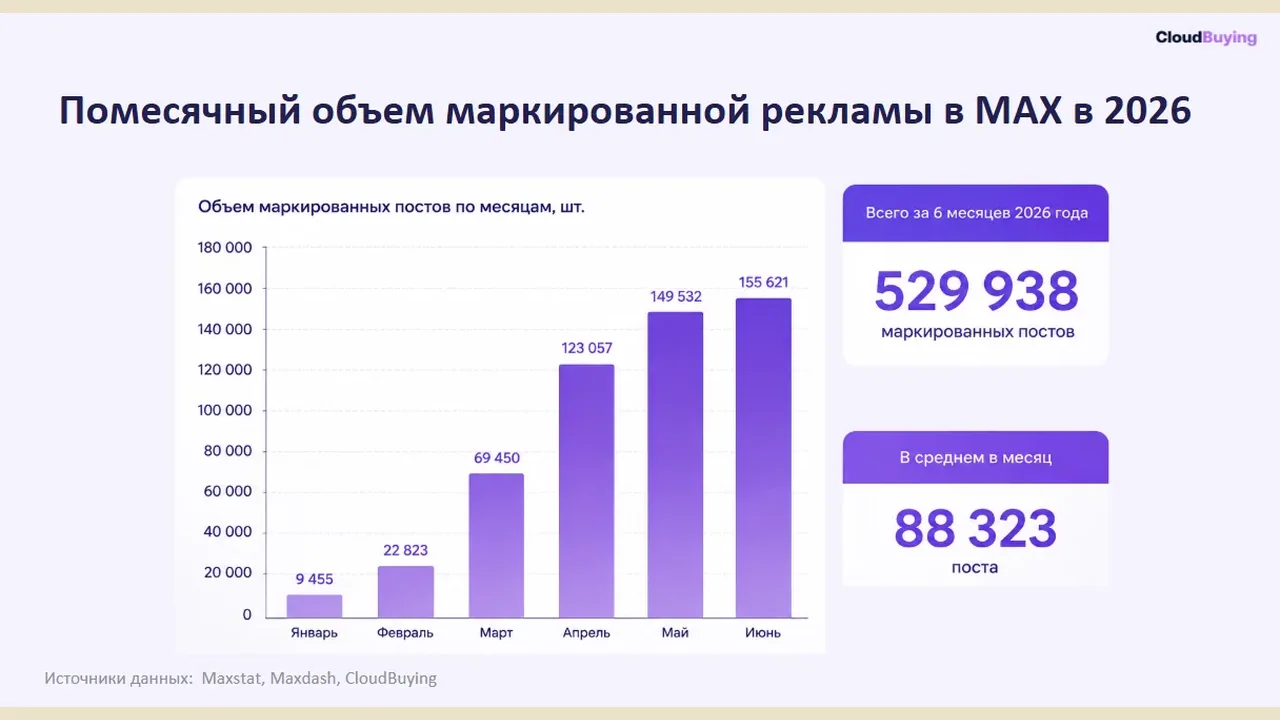
Advertisers spent 1 billion rubles on labeled advertising inside the Max messenger during the first half of 2026, according to data from Russia's ERIR ad registry. CloudBuying, a media buying agency, tracked 530,000 labeled ad posts over the same period, with placement volume up 321% in the second quarter versus the first. CloudBuying's six months of direct buying on the platform surfaced five problems that public reviews of Max have overlooked: a disclaimer screen that cuts click-through on external links, no invite-link system for tracking which post drove which subscriber, conflicting numbers between the MaxDash and MaxStat analytics tools, only 6,145 channels with over 10,000 subscribers against a base of 562,000 channels, and ad posts that render differently on mobile and desktop. CloudBuying measured a 0.8% click-through rate from 550,000 views, against a market average near 0.5%.

Wizz App Explains How It Matches 16 Million Users by Age and Interests
Wizz App, used by more than 16 million people worldwide, published a detailed explanation of its discovery feature on November 14, 2026. The app sorts potential matches by age bracket, online status and shared interests. Every user is age-verified at signup through Yoti's facial age estimation technology and placed into a bracket they cannot change. Profiles show who is active in real time, and interest-based bios help surface people with shared hobbies or music tastes. Every profile photo is checked against the signup selfie using AWS machine learning before the profile goes live, and photos that fail the match are rejected. Wizz App offers no filters by city or language, saying it wants connections to form around personality and shared interests. "On Wizz App, the answer is simple: you see verified people your own age, who share your interests, and who might be online right now," said Alexandra Ryabova, head of operations at Wizz App.