

Digest of the day
November 24, 2026
10 stories
OpenAI confirmed its ChatGPT ad system runs on an AI orchestrator that writes ad-triggering search queries advertisers never see, while Samba TV and OpenX found linear TV missed half the digital audiences reached by CTV and online video across 11 campaigns. Pinterest and Microsoft will let Bing search ads run as native Pins, and Whiteleads drove 353,000 new Zvuk subscribers, 64% through VK Ads.
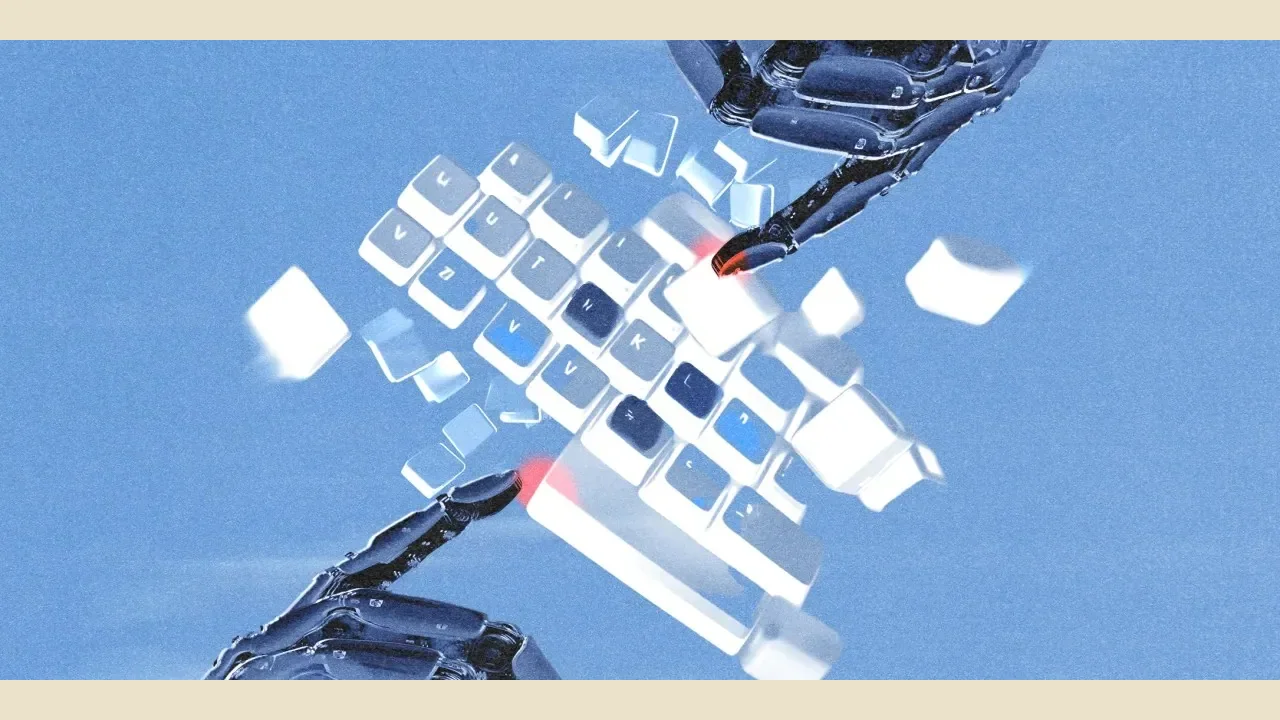
Channel Factory opens its YouTube suitability data to AI agents via APIs, MCP servers
Anudit Vikram, Chief Product Officer at Channel Factory, argues that agentic media's next test is portability: whether an advertiser's own AI agent can call on a vendor's intelligence directly, inside the planning and buying tools it already uses. Channel Factory backs that case with IAB 3.0 classification across more than 15 million YouTube channels and more than 10 years and $4 billion of campaign performance data, delivered through APIs and MCP servers that advertisers' agents can reach from inside their own environments. Vikram writes that advertisers should set their own suitability thresholds and approval rules while providers keep classification and performance data current. He outlines staged autonomy: agents start with alerts, move to recommendations, then take bounded actions such as small budget adjustments, with larger changes routed to human approval. Vikram frames this portability test as the dividing line between vendors as agentic features converge across the market.
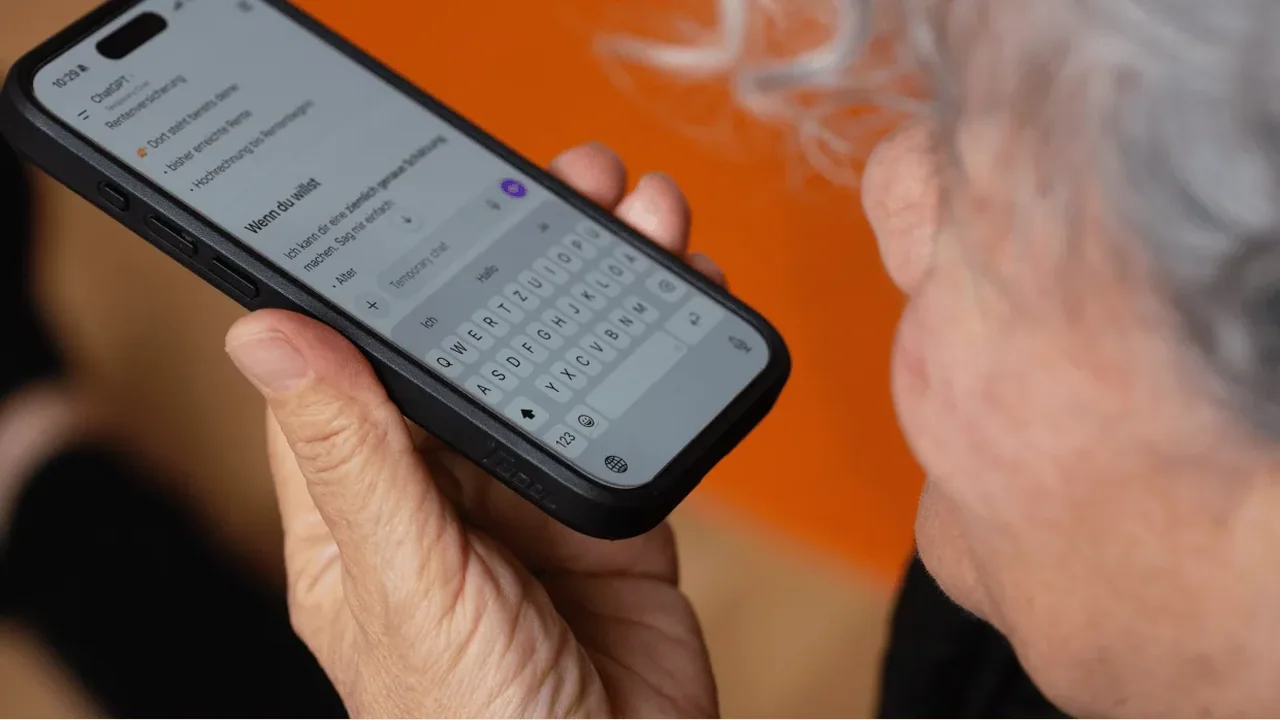
OpenAI's ChatGPT Ads Run on AI-Written Queries Advertisers Never See
ChatGPT's ad system relies on an AI agent OpenAI calls the orchestrator to write the search queries that determine which ads appear, three OpenAI executives told Adweek. The orchestrator reads a user's conversation, and past chats too when personalization settings allow it, then generates its own queries, ranks candidate ads, and sends the strongest contenders into an auction weighing advertiser bids against predicted usefulness. Advertisers see which ads their bids win. The queries that triggered those ads stay invisible to them. Buyers have told Adweek that ChatGPT's ad click-through rate trails Google's. OpenAI executives said the previously reported $1 billion annualized run rate for ads is "a much smaller footprint" than where the business stands now. ChatGPT's ad system launched in February, and OpenAI has released details about its mechanics gradually since then.
AI ad production economics: GWM Haval spot used 37 of 2,076 generated scenes
Evgeny Pyryev, director at Schi Production, told Sostav how AI advertising economics actually work and who profits from it. Studio costs run on salaries, office overhead, taxes and neural network generation credits, and trimming spend on generations can raise spend on cleanup and compositing. A Google Cloud case study on GWM's Haval H6 campaign, a fully AI-made spot, found production costs up to ten times lower than a comparable traditional shoot, yet 37 specialists still worked on the 90-second film and kept only 37 of 2,076 generated scenes. Moore Kingston Smith's 2026 research found clients increasingly expect AI to cut agency fees, so lower generation costs do not guarantee higher studio profit. WARC and TikTok's 2026 study found 88% of marketers saw AI increase content volume, while only 45% saw a meaningful quality gain.
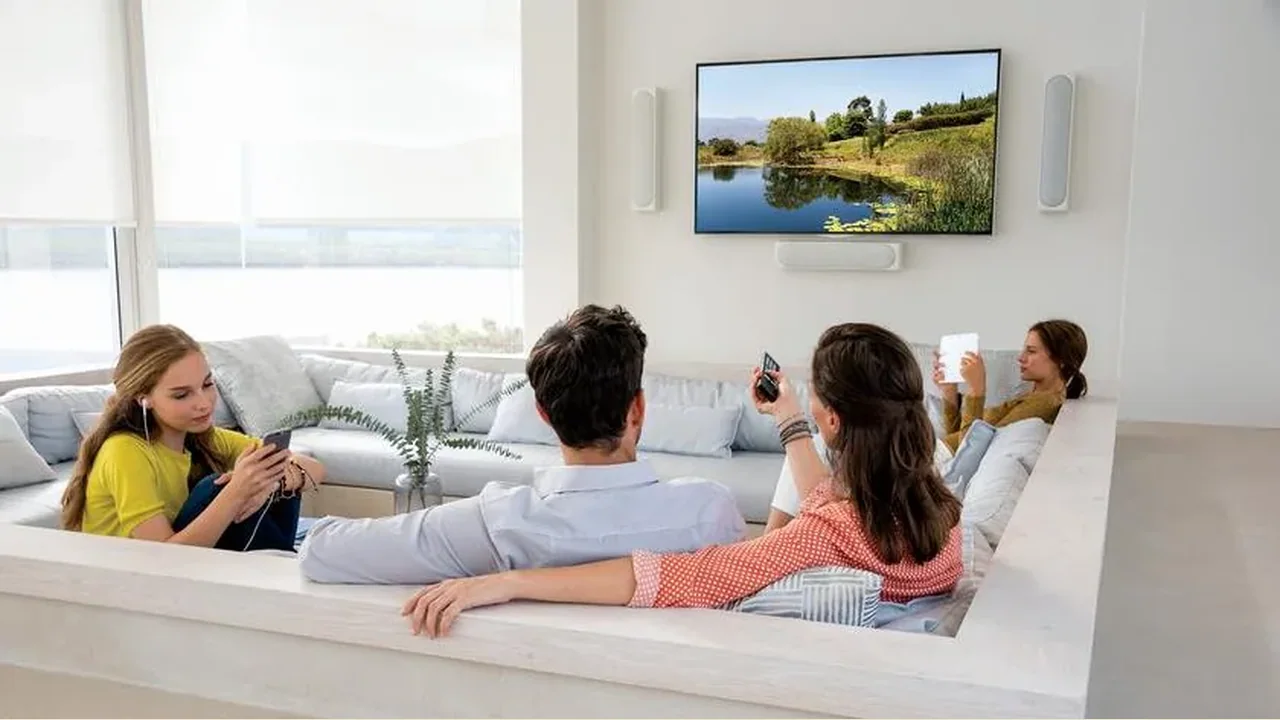
Samba TV, OpenX: Linear TV Misses Half of Digital Ad Audiences in Study
A joint analysis by Samba TV and OpenX of 11 marketing campaigns found that linear TV missed, on average, half of the digital audiences reached through connected TV, display and online video. In some of the 11 campaigns, up to 90% of digital impressions landed with households that linear TV missed entirely. The companies combined Samba's household-level True Reach and Frequency measurement with OpenX's ID graph, which covers an addressable audience of more than 275 million, to compare linear and digital exposure side by side. Samba also found that the third of households watching the least TV received just 3% of linear impressions, while Samba-curated digital audiences delivered nearly ten times that share to the same low-TV households. Samba's Phillip Keefe said linear TV "still misses a significant portion of consumers."
PubMatic Expands Nippon TV Partnership for Programmatic Broadcast TV
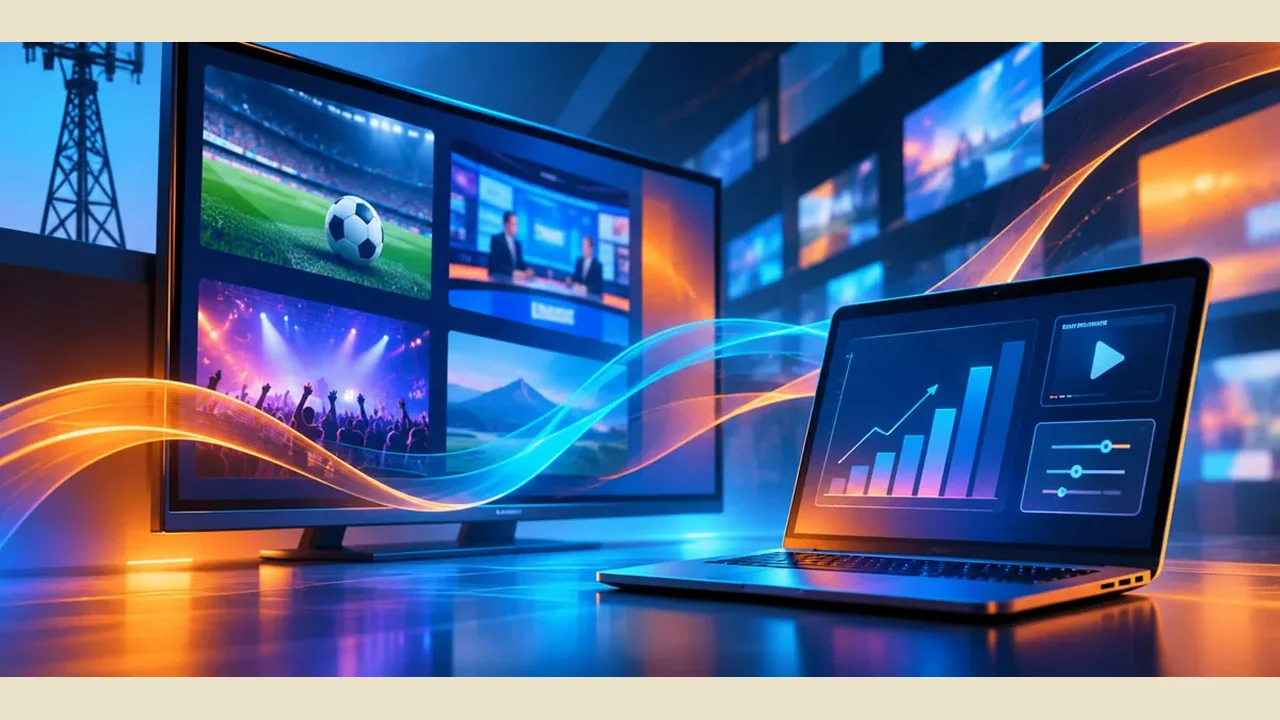
PubMatic has expanded its partnership with Nippon TV, bringing programmatic buying to the Japanese broadcaster's TV inventory. The deal extends automated, auction-based ad buying into broadcast television, a format long sold through direct, manually negotiated deals. Nippon TV's inventory becomes accessible through PubMatic's sell-side platform, giving buyers a programmatic path into a market still dominated by traditional TV sales. The expansion fits a pattern of broadcasters opening inventory to the kind of automated buying already common in streaming and connected TV. Portada did not disclose financial terms or a launch date for the expanded deal. Agencies buying Japanese broadcast TV gain an additional automated option alongside their existing direct-sold relationships.
Executives detail how advertisers now demand proof of ad delivery across CTV and linear
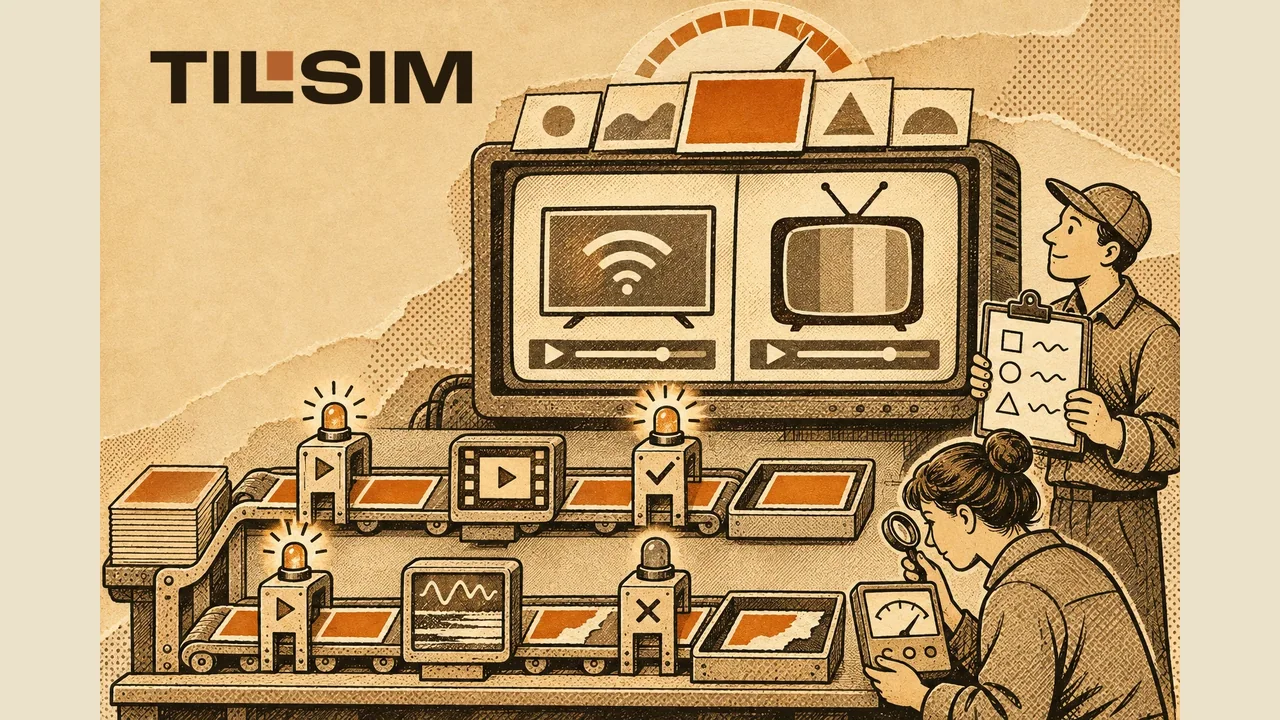
Jacob Arends of Bitmovin told NewscastStudio that advertisers need granular ad delivery metrics to confirm a campaign played as intended, including whether an ad started and finished and why it failed if it did not. The comment came in a roundtable of broadcast technology executives from Broadpeak, Looper Insights, Operative, Yospace, TAG Video Systems, Accedo and Xumo, who described a shift in what advertisers expect to see after a campaign runs. Looper Insights' Francesca Pezzoli said buyers now ask for share of voice on the home screen, covering how prominently and for how long a placement appeared relative to competing titles. Yospace's Paul Davies pointed to the emerging CMCDv2 standard, which lets compliant players share real time playback data directly, avoiding the need for vendor specific tracking code on every device. TAG Video Systems' Michael Demb said damaged or stripped audio watermarks during transcoding leave real viewers uncounted.
Awin: 57% of affiliate touchpoints land before the final click in telecoms
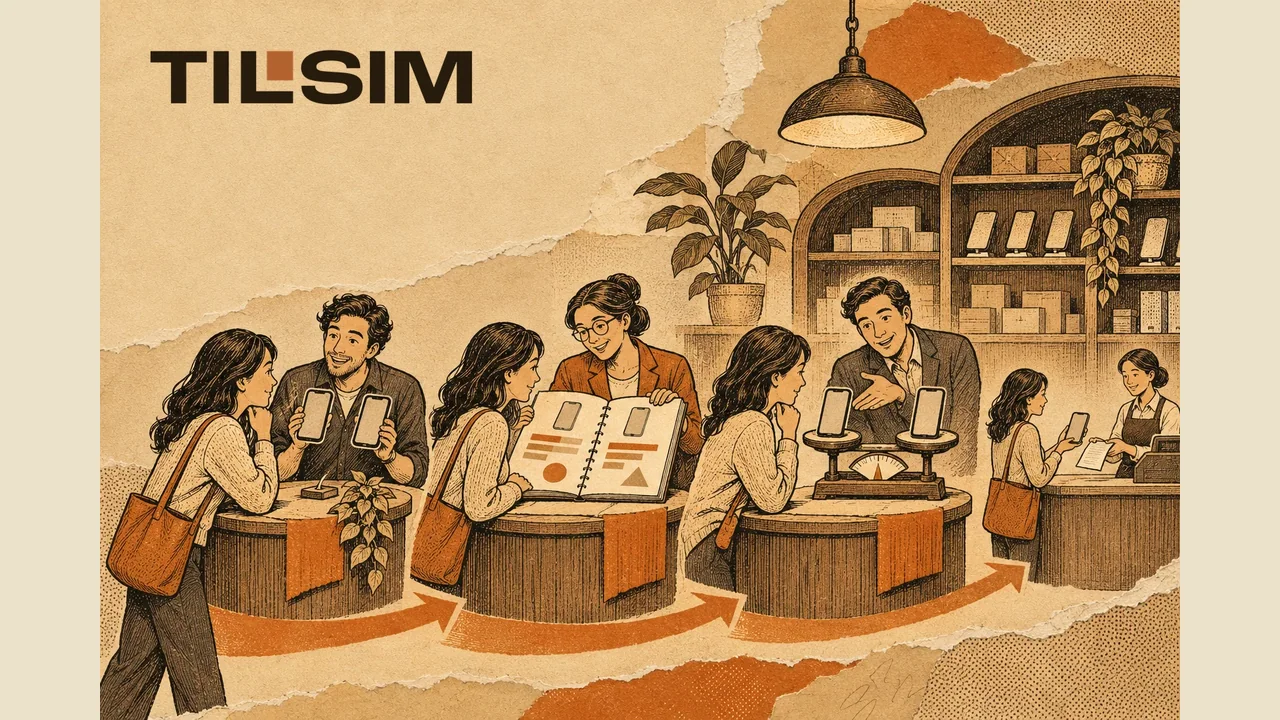
Affiliate marketing has long been measured by the final click. Chris Blower of Awin says the company's analysis of telecoms customer journeys shows 57% of affiliate touchpoints now happen in the upper and middle stages of the funnel, before a sale closes. Comparison sites, editorial publishers and content creators are shaping discovery and consideration earlier in the journey. Awin's separate Influencing Retail research found that 34% of consumers now spend more time researching and comparing purchases before buying. In telecoms, sector data shows marketing spend up 11% year-on-year and cost per acquisition up 11%, while sales growth stayed flat at 0.13%. Blower argues that last-click reporting misses the contribution made by partners who introduce and educate customers early, and that rising acquisition costs are pushing advertisers toward hybrid and value-based remuneration models.
Independent media agencies challenge holding companies with AI and transparency
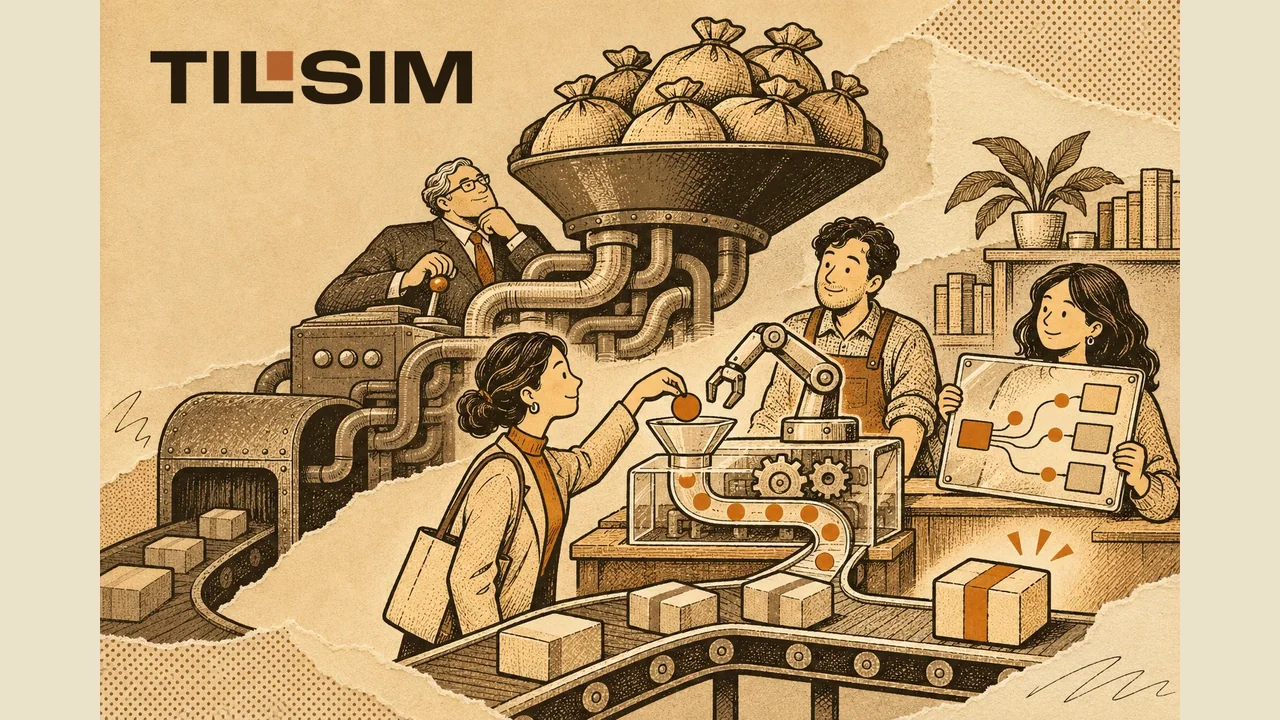
Independent media agencies are pairing agentic buying technology with transparent, creative media strategy to win accounts that holding companies have historically controlled, Ad Age reported on November 23, 2026. The pitch takes direct aim at a long-standing industry assumption: that the agency spending the most on media automatically delivers the most value. Independent shops argue that automated buying tools combined with clear reporting on where client money goes can match the scale advantages that holding companies draw from pooled budgets across clients. Lower-cost AI tools are making it possible to run sophisticated media operations without the infrastructure of a holding company, giving smaller agencies a credible case against incumbents that have long won business on size alone.
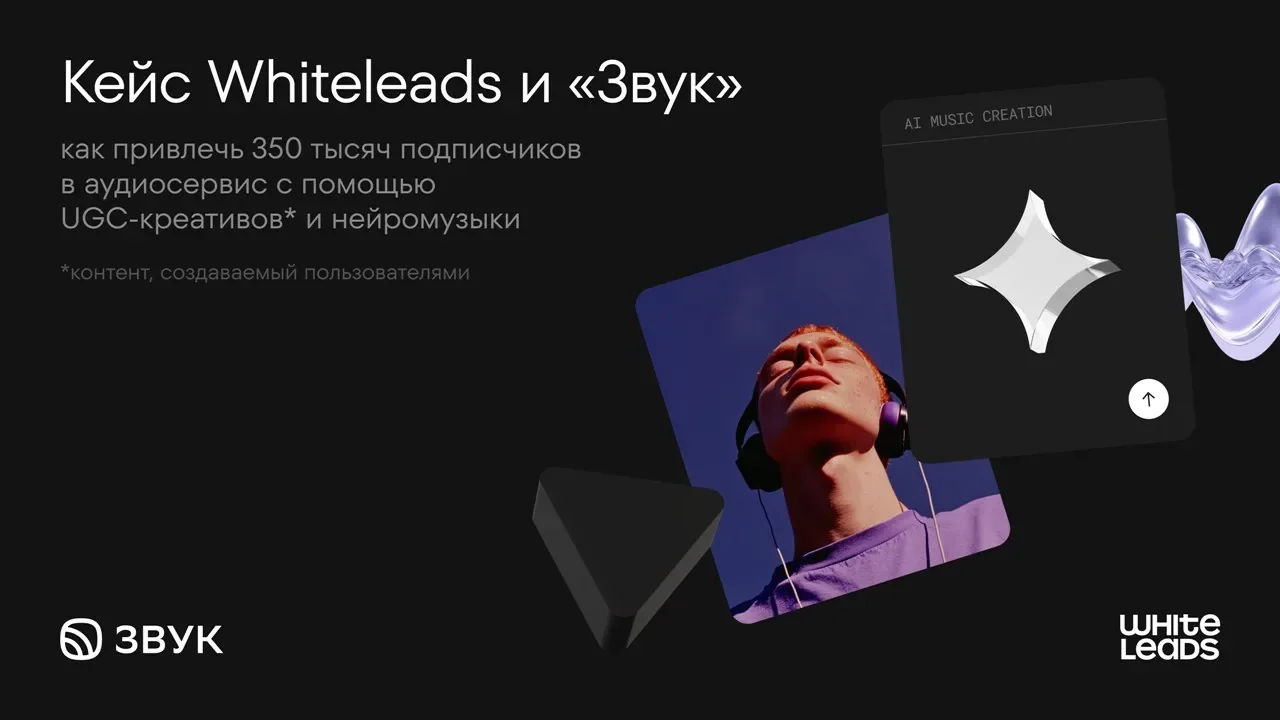
Case Whiteleads campaign adds 353,000 paying subscribers to Zvuk, 64% via VK Ads
A one-year performance campaign for Russian music app Zvuk added 353,000 paying subscribers between September 2025 and August 2026, agency Whiteleads reported. VK Ads delivered 64% of those subscriptions, Mintegral 32% and Unity Ads the remaining 4%. Whiteleads built its creative around short vertical UGC-style videos promoting Zvuk's 75-million-track catalog, personalized playlists and a new AI feature called "Single," launched in July 2026, which turns a user's text prompt into a custom song. Mintegral led on raw installs early on: in September 2025 it brought in more than 63,000 users against roughly 33,000 from VK Ads. VK Ads converted those installs to subscriptions at a higher rate, so Whiteleads moved budget toward it, and by April 2026 VK Ads supplied nearly all new installs. Zvuk repeatedly topped the Google Play charts during the campaign, as Russia's music streaming market grew 23% year over year to 46 billion rubles in 2025.
Pinterest and Microsoft strike deal to run Bing search ads as native Pins
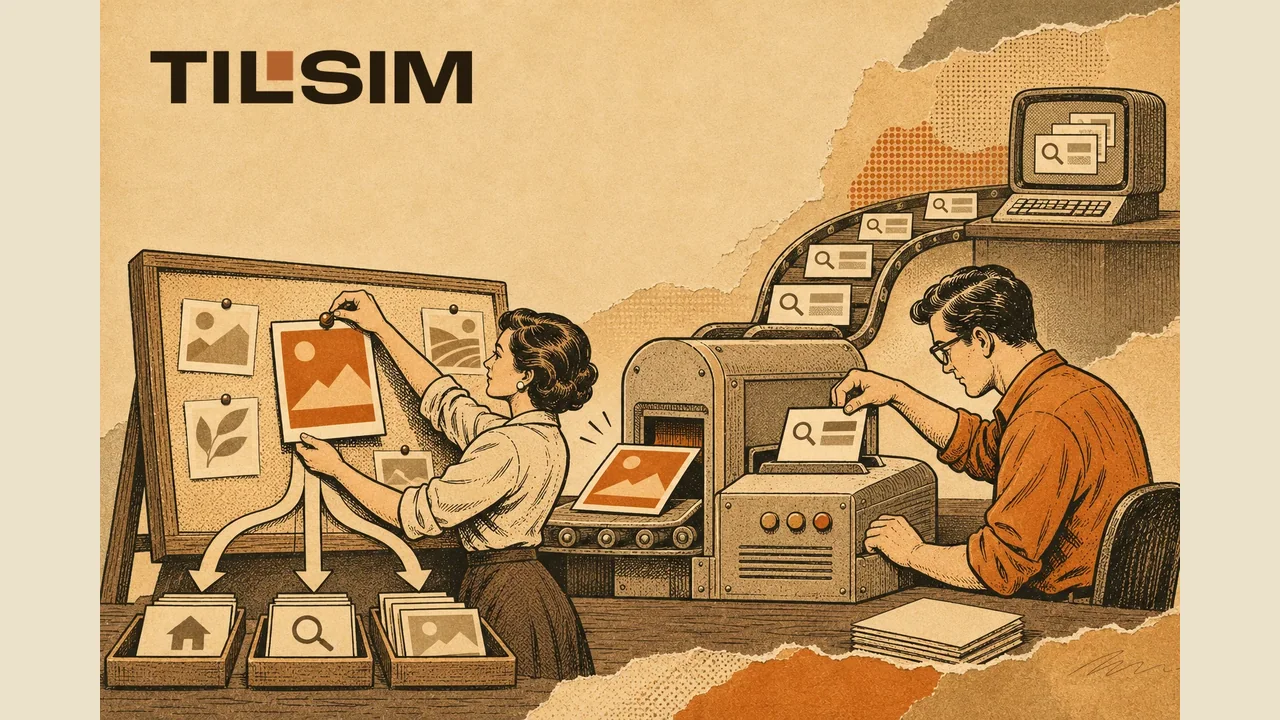
Jason Fairchild, Pinterest's general manager of programmatic and affiliate marketing, confirmed a new partnership that lets Microsoft Advertising customers extend Bing search campaigns onto Pinterest, with an official launch expected Monday. The ads will use Pinterest's native Pin format for display across the home feed, search results and related Pins, targeted using Pinterest search queries, contextual signals and first-party interest data. Microsoft already distributes Bing search ads to DuckDuckGo and Yahoo through its Advertising Network, and Pinterest joins that publisher list. Pinterest is pushing to capture more performance marketing budgets: CEO Bill Ready said the app handles more than 80 billion searches a month, with over half considered commercial. The move follows Pinterest's October decision to open its display and video inventory to outside demand-side platforms through Magnite, and its ongoing test of CTV ad buying via the tvScientific platform in Ads Manager.