

ANA: 9 in 10 marketers doubt principal media, but most bought it anyway
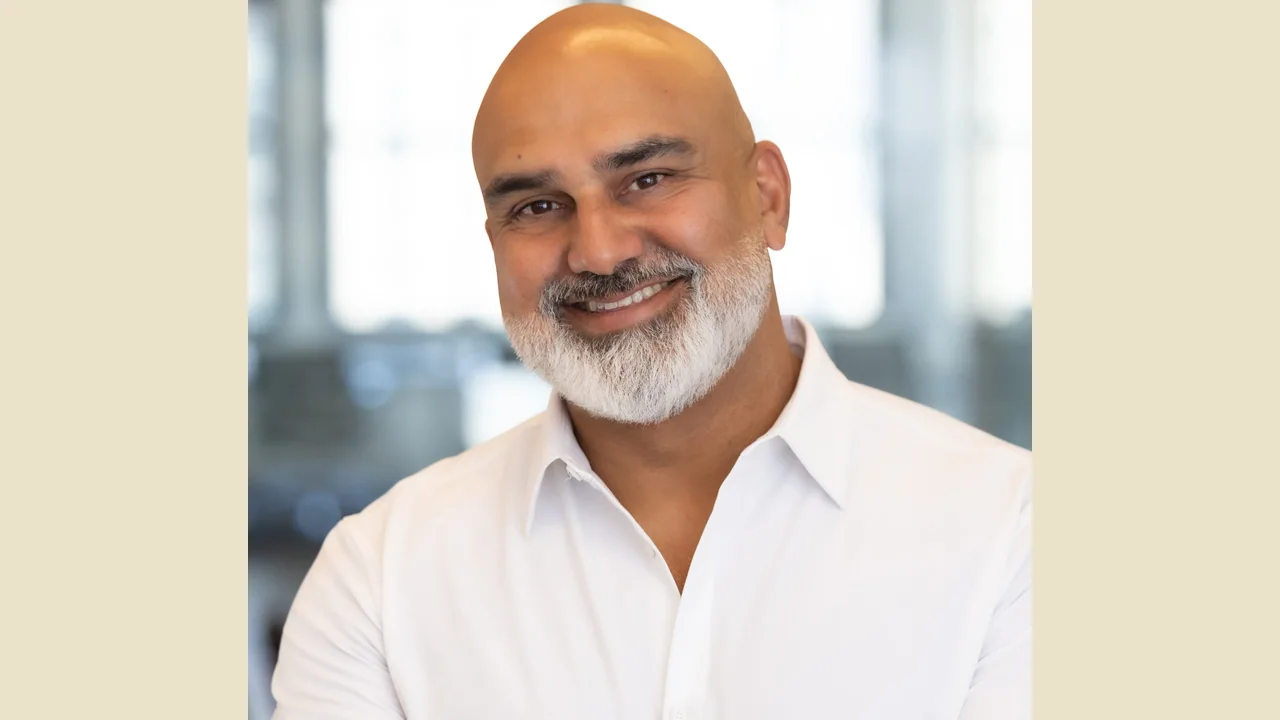
Nine in 10 marketers say principal media deals fail to serve their best interests, yet more than half bought one last year, according to ANA survey data Kamran Asghar cites on this week's AdExchanger Talks podcast. Asghar, global CEO and co-founder of independent agency Crossmedia, explains that in a principal deal an agency buys media in bulk with its own money, resells it to the client without disclosing the price it paid, and keeps the difference as profit. He traces the arrangement back roughly 25 years, to when procurement unbundled media buying and agencies began pooling client dollars to negotiate volume discounts that were supposed to be passed along as savings. The ANA's 2016 K2 report revealed agencies were keeping those rebates instead of returning them to clients, and Asghar says holding companies have since repackaged the same rebates as principal deals, calling the practice arbitrage.
Clients who approve a principal deal still may never see log-level data showing where their ads actually ran or what they originally cost, since agencies buy inventory at undisclosed discounts before reselling it at a markup. Asghar's prescription is blunt: separate media buying from planning and strategy, so the agency giving advice on a campaign carries no inventory to sell into it. Marketers weighing a holding company's principal media offer should demand full visibility into cost and placement, since a bulk-buy discount can carry a hidden fee attached.
- Mediascope trials Wi-Fi routers to track media use across 100 households
- Rutube and Mediascope measure 5.2 million daily Smart TV viewers in Russia
- Amazon buys Black Friday ads on ChatGPT while blocking OpenAI's crawlers from its site
- No platform tracks total ad exposure across YouTube, Instagram, OTT and CTV, experts say