

Harvard study: ad data collection puts journalists at risk
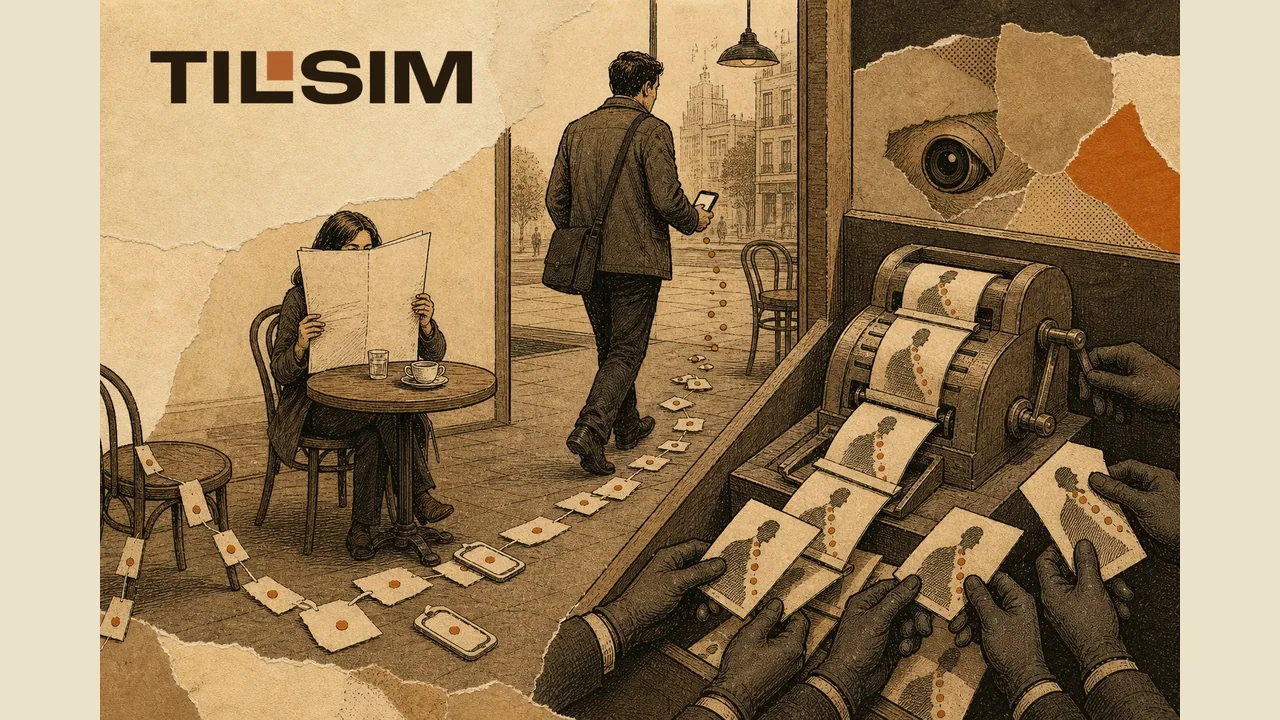
A study from Harvard Kennedy School, 'How Mass Surveillance From Online Advertising Puts Journalists at Risk,' argues that the infrastructure behind online ad targeting doubles as a surveillance network for journalists. Author Jonathan Rozen, a Technology and Human Rights Fellow at the school, traces how real-time bidding, data brokers and ad-delivered spyware can reveal a journalist's location, movements, contacts and daily activity. Bid requests generated during real-time auctions carry device identifiers, GPS coordinates and browsing history, and every company that receives the request can log and keep that data regardless of whether it wins the auction. Data brokers aggregate those signals from multiple apps and sites, then sell profiles detailed enough to identify a source meeting a reporter or a journalist's home address.
Ad campaigns that rely on granular location and behavioral targeting sit inside the same pipeline the study flags as a privacy hazard, and the exposure runs in both directions: the data broker market that fuels precise audience segments is the same market capable of unmasking a source or tracking a reporter. Media buyers who lean on real-time bidding and third-party data for reach and frequency should expect scrutiny of that supply chain to grow, from newsroom security teams, privacy regulators and publishers wary of carrying ad tech that endangers their own journalists. Agencies that can point to consent-based, first-party or server-side data collection gain a credibility argument as buyers and publishers start asking where targeting data actually comes from.
- Edinburgh TV Festival moves to Manchester after 50 years as YouTube reshapes UK TV debate
- Google lets U.K. publishers opt out of AI Overviews and AI Mode results
- Comcast's Universal Ads taps Tracer to unify operational and revenue data
- Sensor Tower: mobile app spend reaches $43.6bn in Q2 2026, up 5.3% YoY