

Switch configuration is the real barrier to broadcast IP adoption, Netgear exec says
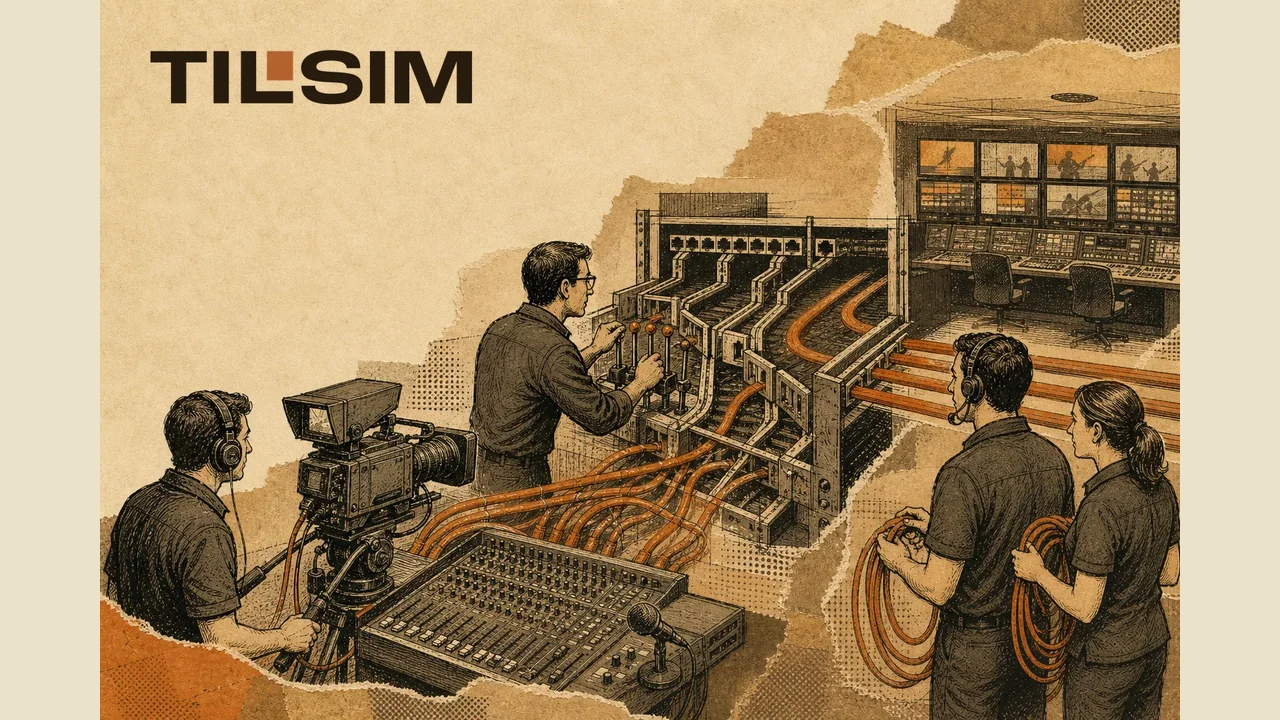
A drop of 80-90% in NDI-related support calls followed when manufacturers built protocol separation directly into their switches, keeping NDI, Dante and control traffic on separate paths, writes Devan Cress, Global Business Development Director for Enterprise AV at Netgear, in a TV Technology opinion piece. Cress argues that NDI, Dante, AES67 and SMPTE ST 2110 are proven and increasingly affordable on their own. Configuring switches for multicast routing, IGMP snooping, PTP grandmaster settings and VLAN segmentation across mixed protocols has traditionally needed specialist IT networking knowledge, work that large integrators typically had only two or three staff capable of doing correctly. Remote production, corporate AV networks feeding lobby and conference-room screens, houses of worship and multi-building education campuses have made hybrid IP setups running several protocols at once a mainstream requirement.
Live productions and events that run cleanly on multi-protocol IP infrastructure lose fewer signal paths to configuration errors, which matters directly for campaigns booked against live sports, award shows or breaking news, where a dropped feed can turn into a missed spot and a make-good. Corporate AV networks now capable of pushing broadcast-quality signal from a studio to a lobby screen or conference room widen where branded video content actually reaches a screen, beyond the traditional studio-to-broadcast path. Buyers planning where video creative runs, and how reliably it airs, gain from infrastructure that removes network configuration as a point of failure between a booked campaign and a delivered impression.
- E-Promo model shows DIY app's real install cost 25% higher than attribution reports
- Trade Desk's Koa AI agent now plans and optimizes programmatic buys via chat
- Compare the Market CTV test lifts brand favourability 8pts, usage intent 7pts
- Nexxen launches standardised spec for Smart TV home screen ad buying across OEMs