

Digest of the day
August 29, 2026
10 stories
The Trade Desk pushed further into AI-driven buying with Koa, a chat-based agent inside Kokai, while EMP and E-Promo modeling found DIY app install costs running 25% above attribution reports. Compare the Market's GumGum-run CTV campaign lifted brand favourability 8 points and usage intent 7 points across 580,000 Australian households, and Choice OMG's $415 ChatGPT Ads test produced 60 clicks and zero sales.
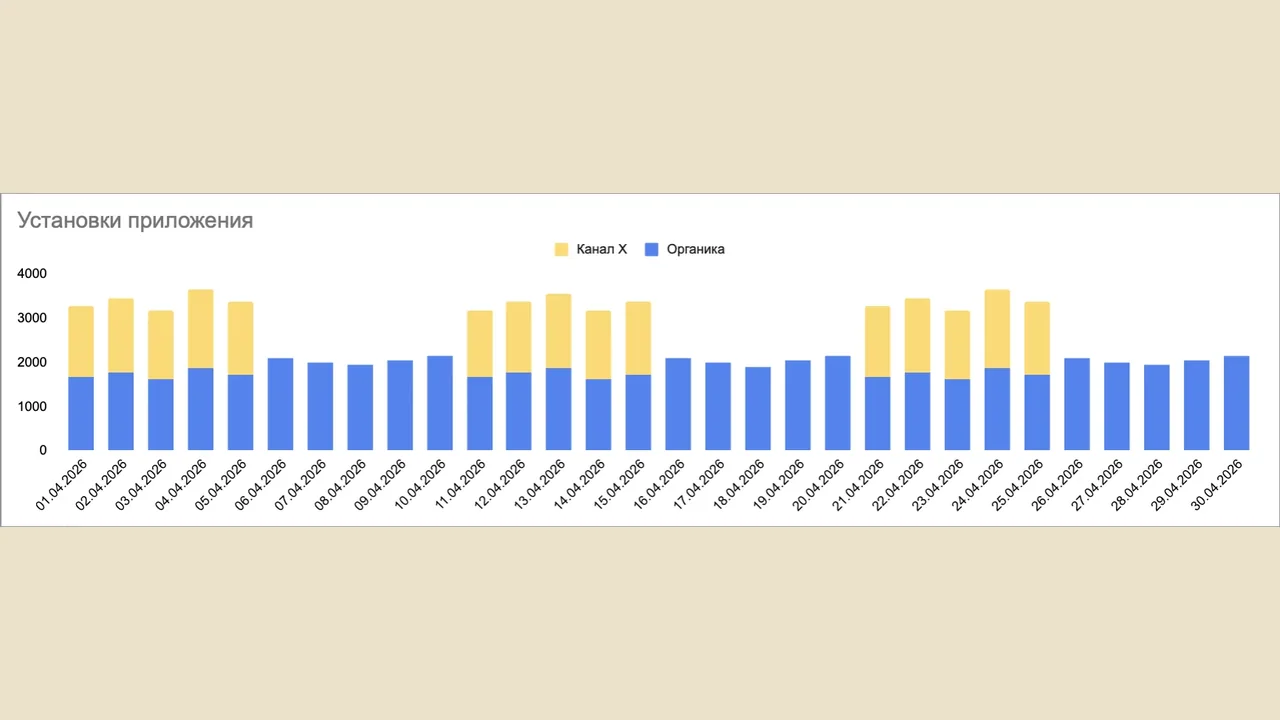
E-Promo model shows DIY app's real install cost 25% higher than attribution reports
Svyatoslav Rumakov of EMP and Alexey Tkachuk of E-Promo Group published a modeled incrementality test for a mobile app in the DIY category, with all figures altered to avoid identifying the client. In the model, a UA channel cost about 3 million rubles a month and was credited with 1,640 installs a day at a CPI of 120 rubles. The analysts described disabling the channel three times, for five-day periods each. Total installs dropped from 3,360 to 2,047 a day during those windows, putting the channel's incremental contribution at 1,313 installs a day. Real CPI came out to roughly 150 rubles, 25% above the tracker's figure. The model's recommended fix cuts the daily budget from 197,000 to 155,000 rubles and moves the freed 1.2 million rubles a month into other channels, projected to raise blended ROMI by 18%.

Trade Desk's Koa AI agent now plans and optimizes programmatic buys via chat
Kokai's Zuma update turns The Trade Desk's demand-side platform into a chat-based tool: media buyers describe a campaign goal, and an AI agent named Koa proposes audiences and settings, analyzes results and recommends next steps. The update lands while ad agencies keep criticizing the DSP, and The Trade Desk wants to reduce the manual steps buyers perform in programmatic campaigns. The company also deepened its CTV data with Gracenote, a Nielsen unit, in its first DSP agreement to supply program- and content-level data for programmatic buys on connected TV, adding targeting based on what viewers actually watch alongside standard audience characteristics.
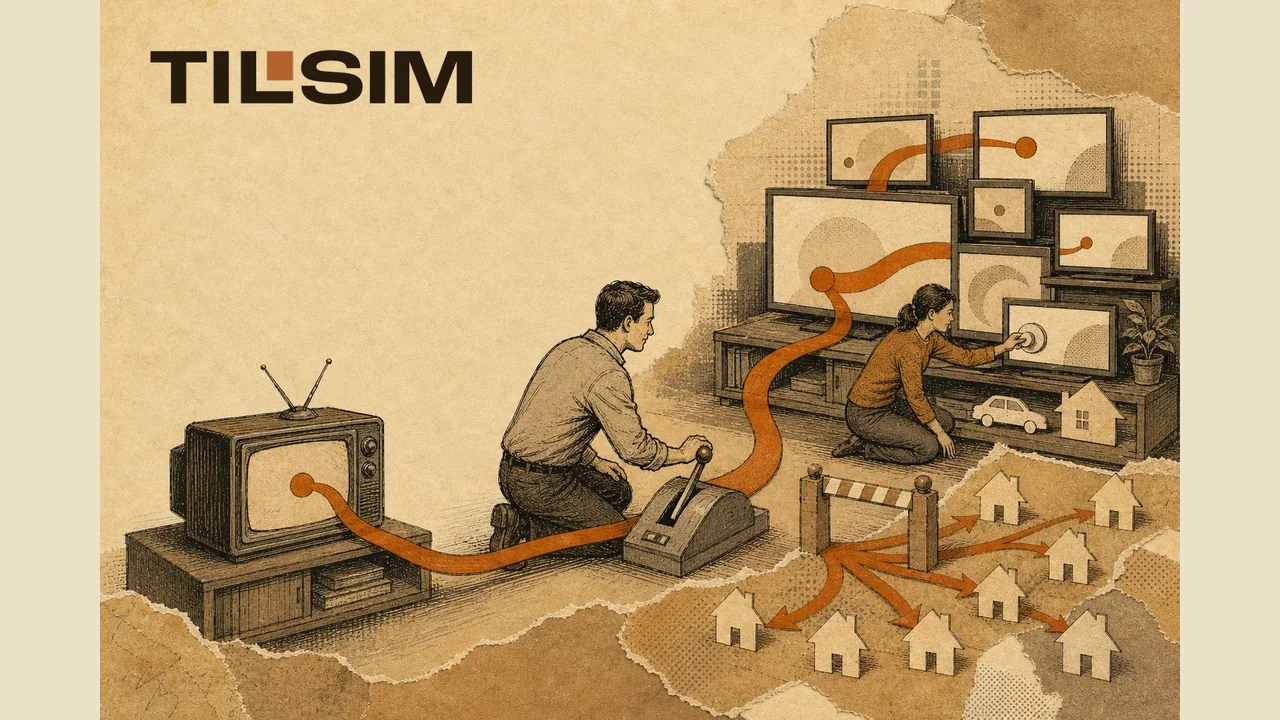
Case Compare the Market CTV test lifts brand favourability 8pts, usage intent 7pts
A GumGum-managed CTV campaign for Compare the Market reached nearly 580,000 households in Australia, achieving a 97 per cent video completion rate and exceeding its delivery target by 8 per cent. Brand favourability rose eight percentage points and likelihood to use Compare the Market climbed seven points, with 65 per cent of exposed viewers taking or intending to take action, according to results verified by On Device Research. The campaign ran for about a month using creative from the 'Wake Up Australia' platform, targeting car and home-and-contents insurance audiences. A separate Beatgrid study found BVOD added 10 to 15 per cent incremental reach over linear TV among key audiences. Head of marketing for brand Sam Willmer said the results are informing FY27 media mix decisions, as Compare the Market weighs shifting spend from linear television into BVOD, subscription streaming and other connected TV formats.

Nexxen launches standardised spec for Smart TV home screen ad buying across OEMs
Nexxen has introduced a standardised specification for Smart TV home screen advertising that applies across original equipment manufacturers. The framework sets uniform ad sizes, formats and click actions for native placements such as hero banners and tiles, which have varied by device maker until now. Through Nexxen TV Home Screen, buyers on demand-side platforms can bid programmatically without adapting to each OEM's separate technical requirements, and creative can be adjusted across inventory sources through Nexxen Studio while keeping the standard format. Partners already using the product include demand-side platforms and agencies such as The Trade Desk, Google Display & Video 360, StackAdapt, Basis, Brainlabs and H/L, with programmatic access to inventory from OEMs including V, TCL and TiVo Ads. Chief Commercial Officer Kara Puccinelli said the aim is to "transform the home screen from a fragmented media environment into a scalable, performance-driven channel for the industry."

Ipsos iris drops under-18s: News Corp reaches 16.7m, Domain reaches 7.4m in July
News Corp Australia reached 16.679 million adult Australians across its digital network in July, according to the first Ipsos iris figures produced under a new 18+ audience methodology. Domain's residential brands, domain.com.au and allhomes.com.au, attracted a combined 7.4 million people and generated more than 40 million visits. Ipsos iris recorded 21.3 million Australians aged 18 and over online during the month, spending an average of 5.15 hours a day. The methodology change removes 14- to 17-year-olds from measurement, breaking comparability with prior months and years. News Corp ranked as the largest news and information publisher, reaching 78.4 per cent of online adults, 2.6 million ahead of its nearest competitor. News.com.au alone reached 11.02 million people. The data also showed automotive content reached 12.2 million Australians, or 57.5 per cent of the online population, during July.
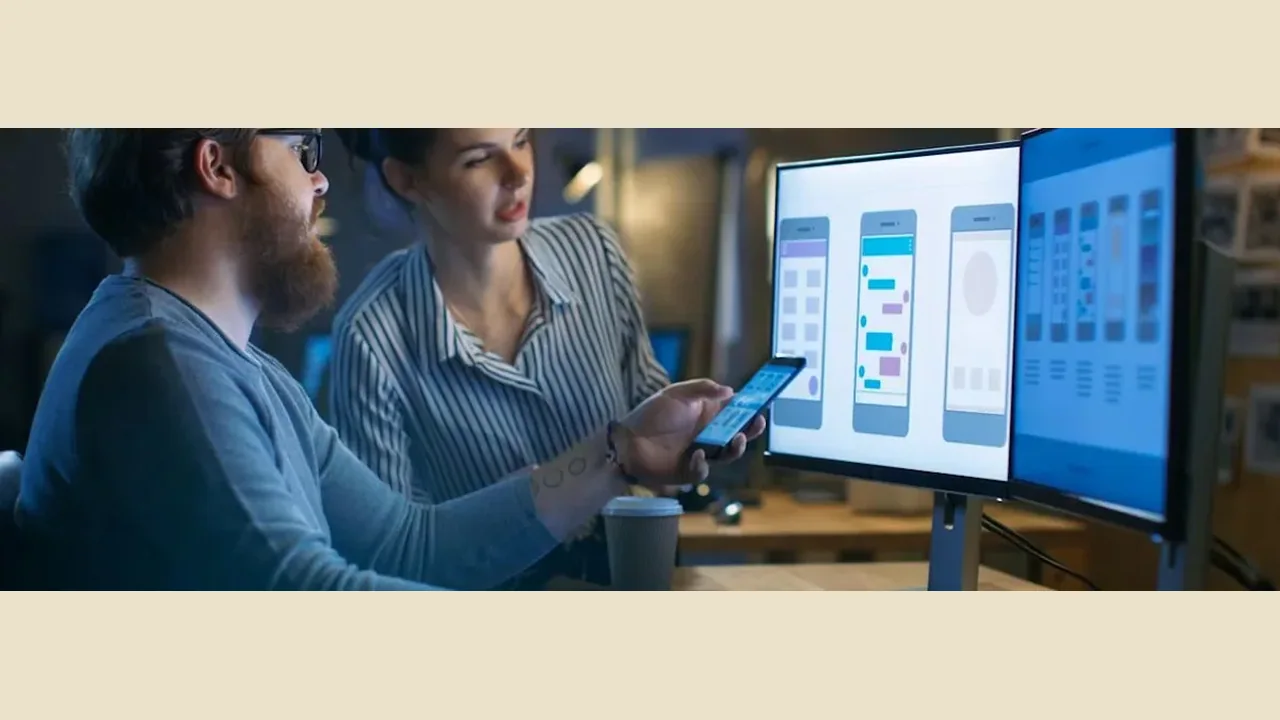
Trade Desk Partners With Gracenote for Show-Level CTV Targeting
Gracenote, a Nielsen company, is feeding detailed show-level content data into The Trade Desk's platform under a new partnership, the companies said. The integration gives advertisers more granular targeting, planning and measurement tools for programmatic CTV campaigns, and the data flows into Trade Desk's Kokai and Zuma products for more precise ad delivery and reporting. Trade Desk, a US-based media technology company with a reported market cap of about $6.1 billion, relies on third-party data partnerships like this one to sharpen its targeting and measurement tools. The move supports the case that independent, data-heavy CTV platforms can win budget as brands demand measurable, content-level controls. It does not address the risk that competition and take-rate pressure, including rival buying tools offered at low or no cost, could weigh on Trade Desk's earnings.
3Play Media: AI dubs hit 30 million YouTube watch hours, beat English by 24%
3Play Media reports its AI-voiced dubs have reached more than 30 million hours watched on YouTube. Across eight languages over a two-month period, the video localisation specialist measured 24 per cent higher average view duration for its AI dubs compared with the original English tracks. Erik Ducker, VP of Product Growth at 3Play Media, said the data shows audiences are choosing and engaging with AI-dubbed content. The dubs are produced through human-in-the-loop workflows, in which trained linguists shape voice, tone, timing and cultural adaptation. Chris Antunes, 3Play's Co-founder and Co-CEO, said YouTube creators watch this engagement data closely and pull investment from any language where dubbed content falls below the source track's performance. The figures point to AI dubbing clearing the audience-acceptance bar that held back wider adoption, opening previously unreachable markets to localised content at lower cost.
Zocdoc adds real-time appointment booking to Google's Gemini chatbot
Zocdoc and Google announced a partnership last week that lets Gemini users book a doctor's appointment inside the chatbot itself. The integration draws on Zocdoc's network of more than 200,000 providers and returns real-time appointment availability once a user types or says "Zocdoc" in a Gemini prompt. Zocdoc CEO Oliver Kharraz said patients can share a specialty or symptom and click to book, skipping phone calls and searches across multiple sites. The launch follows a Zocdoc survey in which 85% of healthcare providers said they have noticed more patients arriving after consulting AI about their symptoms, and 23% of patients said they want to use both AI and a clinician in their care journey. Zocdoc said appointment listings are ranked by relevancy, weighing a user's location, specialty preference, availability and insurance status.
Choice OMG's $415 ChatGPT Ads Test Nets 60 Clicks, No Sales
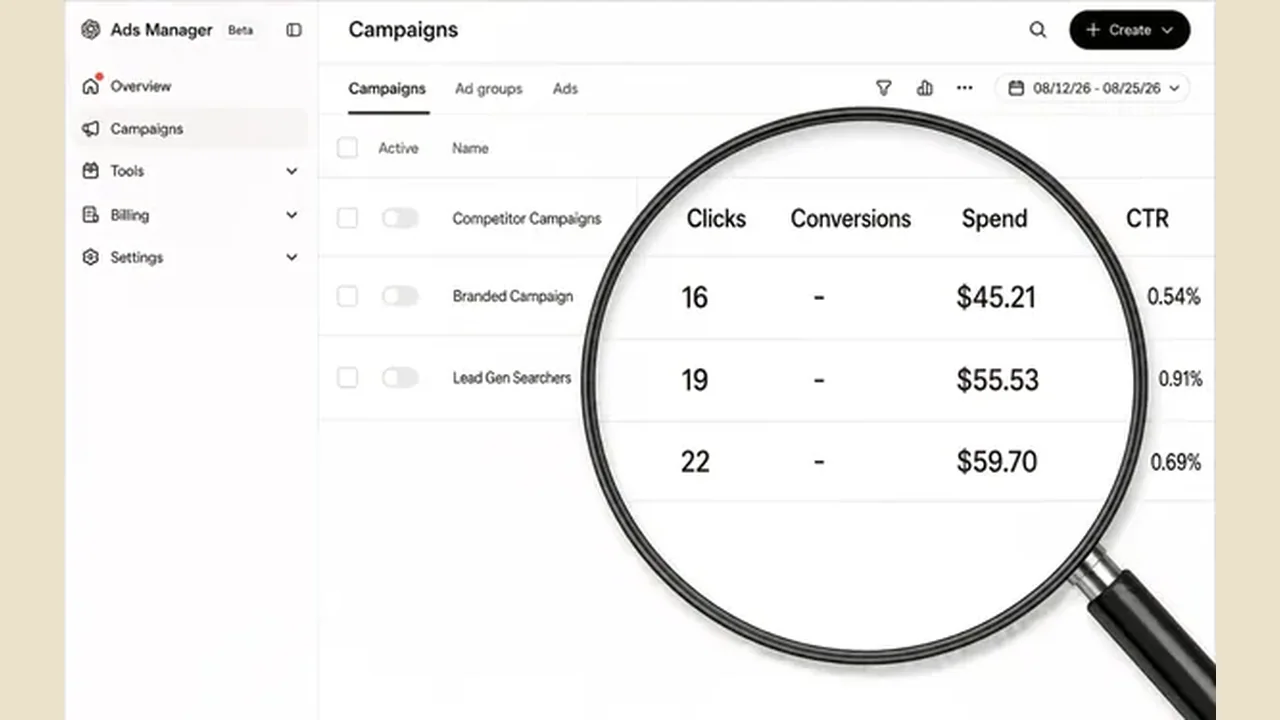
Peter Jaffray, managing director at Choice OMG in Edmonton, spent $415 on three ChatGPT Ads campaigns in June 2026 targeting Ontario and Alberta. The ads pulled almost 9,000 impressions, more than double his forecast of 4,000, but the clickthrough rate landed at 0.6%, far below the 2% he sees from search ads. Sixty clicks arrived at roughly $7 each, all from verified IP addresses, and none converted into a sale. Nicholas Verity of B2B lead-gen agency Cleverly ran a separate test and paused it after OpenAI reported 57 clicks while Google Analytics logged fewer than 20 visits from the same traffic. Daniel Johnson of We Scale Startups and Ryan Edwards of Camino5 described similar tracking gaps in the comments on Verity's LinkedIn post. OpenAI added geotargeting, custom audiences, conversion optimization and a Pixel Conversions API in August 2026, after these campaigns ran.

Switch configuration is the real barrier to broadcast IP adoption, Netgear exec says
Netgear's Devan Cress argues that switch-level network configuration is the real obstacle holding back broadcast infrastructure's shift from SDI to IP. The protocols themselves, NDI, Dante, AES67 and SMPTE ST 2110, are mature and reliable, writes Cress, Global Business Development Director for Enterprise AV at Netgear. The difficulty sits in configuring switches for multicast routing, IGMP snooping, PTP grandmaster settings and VLAN segmentation across mixed protocols, work that has traditionally required specialist IT networking skills that few integrators kept in-house. Manufacturers who built protocol separation directly into their switches saw reductions in NDI-related support calls of 80-90%, after fielding calls caused by NDI, Dante and control traffic sharing the same ports. Some production vendors now validate and distribute switching hardware alongside their own systems, giving integrators tested combinations already reconciled before installation. Remote production, corporate AV, houses of worship and education campuses are driving demand for hybrid IP setups running multiple protocols at once.