

Digest of the day
August 30, 2026
10 stories
FIFA's new three-minute hydration breaks give Fox and Telemundo in-match ad inventory for the World Cup, and Reach TV says its airport and hotel screens now reach 51 million travelers monthly. Kantar and TikTok found premium TopView ads drive up to 3.3x the recall lift of in-feed alone, with 89% of viewers responding positively on first exposure. IAB data shows 40% of brands rank ROI as their top creator KPI.

FIFA World Cup Hydration Breaks Open New Ad Windows for Fox, Telemundo
FIFA is adding three-minute hydration breaks to World Cup matches, one during each 45-minute half, and TV networks can now sell advertising inside them. Ads may start 20 seconds after a break begins and must end 30 seconds before play resumes, leaving Fox Television Networks and Telemundo about two minutes and thirty seconds of usable ad time in each break on the US broadcast. FIFA introduced the breaks partly because recent matches in hot-spot locations saw temperatures climb above 90 degrees. The global TV audience for the tournament is estimated at around 1.4 billion, and a worldwide media plan for the month-long event could cost more than a Super Bowl campaign. In the 2022 Qatar World Cup, the average match drew 5.1 million viewers on Fox and 2.5 million on Telemundo; analysts expect matches featuring the US team in the knockout round to reach 25 million to 30 million average viewers.
Reach TV's airport, hotel screens now reach 51 million travelers monthly
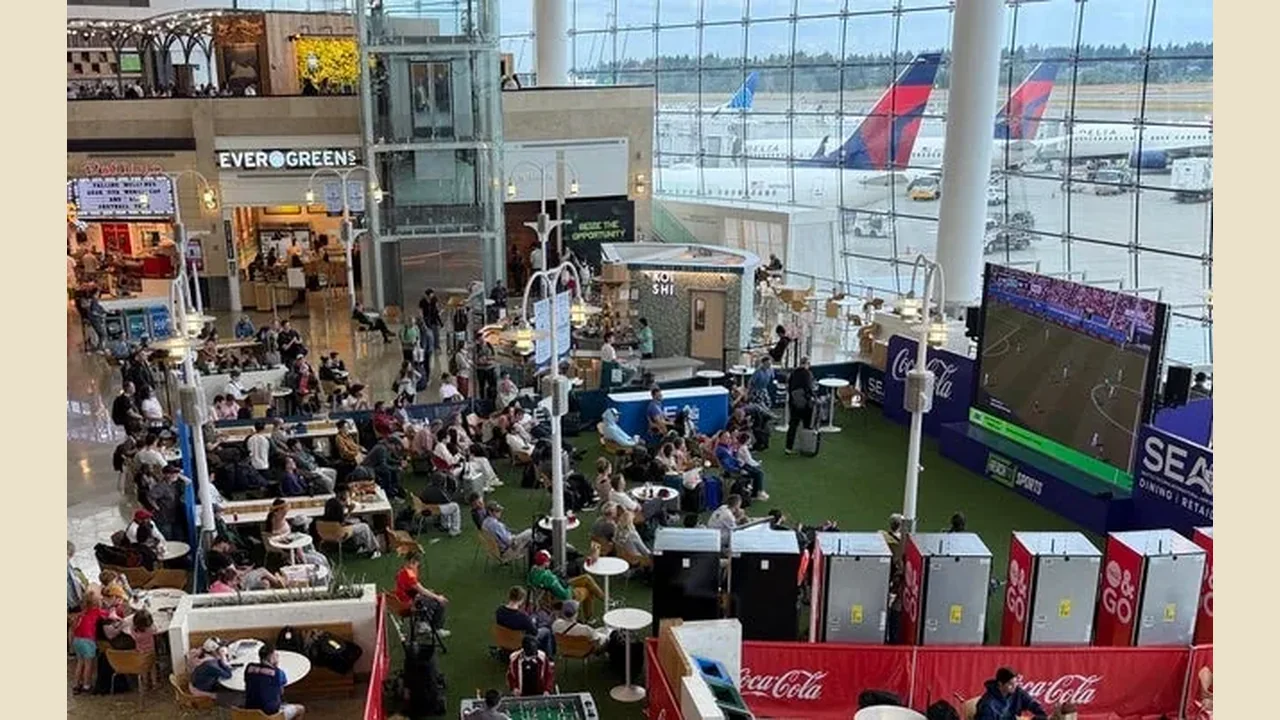
Reach TV now operates screens at 2,400 airport gates and in 500,000 hotel rooms across North America, reaching more than 51 million travelers a month, the company told AdExchanger. The Stagwell-owned network built that footprint after buying the remnants of CNN's airport network in 2021, and this year it licensed all 104 FIFA World Cup matches from Fox Sports, adding a 230-inch screen with astroturf seating at Seattle-Tacoma International Airport. CEO Rachel Jacobson, who took over in late April, said sports content draws the strongest advertiser interest: "Live sports is just what everyone cares about." COO Dave Olesnevich said the audience is 2.7 times more likely to be traveling for business, with 16% in management roles, and buys luxury goods 25% to 47% more than the general population. Reach TV plans programming using TSA travel data, mobile location data, credit bureau records and Nielsen ratings across the more than 80 airports where it operates.

Media4Growth op-ed calls for comparable OOH measurement standards over identical tech
A Media4Growth insights piece frames audience measurement in out-of-home advertising as the foundation for investment confidence. The article states that a common measurement currency depends on comparable definitions, transparent methodologies and reporting that advertisers can trust; identical technology across markets is optional. It argues that reliable audience measurement already helps advertisers compare inventory and make investment decisions today, ahead of any push for perfect measurement. The piece also calls for a shift from reporting impressions toward commercial intelligence, using audience data to identify which environments and inventory perform best so future OOH investment can be optimized. It assigns roles to brands, agencies, media owners, technology providers and industry bodies including the World Out of Home Organization in building that trust across the OOH marketplace.
Yandex Metrica adds four new reports for retention and lifetime value
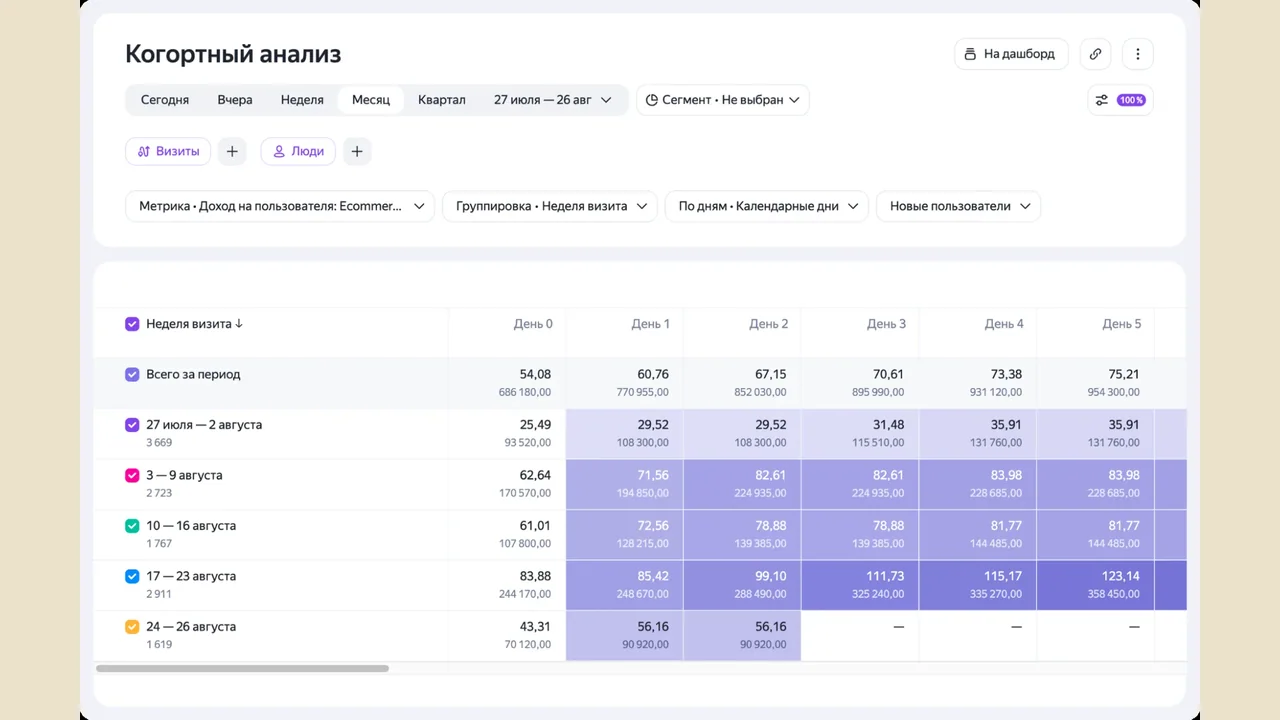
Yandex Metrica rolled out four new reports for tracking user retention and long-term value, the company's press service told ppc.world. One report shows how visits, conversions and revenue accumulate over time for groups of users who arrived in the same period, letting teams compare traffic sources and campaigns over long stretches. A second report tracks what share of users return within a chosen period after a visit, flagging the point where return rates start to drop. A third report counts users who returned within a period or at least once after it, aimed at businesses with long purchase cycles such as real estate or cars. A fourth report compares retention across cohorts before and after site or campaign changes. All four are live in the Metrica interface now.

Broadcast Media Africa launches survey on the continent's audience measurement gaps
Broadcast Media Africa has opened the Advertising and Audience Currency Marketplace Africa State of Play survey, seeking input from broadcasters, advertisers, agencies, publishers, streaming platforms, measurement bodies, technology providers, telecoms firms and regulators across North, West, Central, East and Southern Africa. The research covers how audiences are currently measured, which currencies and metrics stakeholders rely on, and how much confidence the industry places in existing systems given fragmented methodologies and limited data. It also probes the growing use of first-party data, AI, automation and cross-platform measurement, plus appetite for a more standardised, interoperable audience currency across the continent. CEO Benjamin Pius said audience measurement "is at the heart of how media is valued and how advertising investment is allocated." Results will feed into industry benchmarks on measurement standards, data access and monetisation across Africa's media market.

40% of brands now rank ROI as top KPI for creator marketing, IAB finds
Creator compensation is shifting from flat fees priced like traditional media buys to pay tied to sales lift, conversion and attribution back to the store or site, marketer Cory Treffiletti writes in MediaPost's Research Intelligencer. The Interactive Advertising Bureau finds about 40% of brands now name overall ROI their top KPI for creator work, the same standard they apply to paid search and retail media. Treffiletti reports panelists describing creators who run their own paid amplification behind organic posts and test hooks and calls to action the way a media buyer tests creative variants. For a meaningful chunk of retail brands, the creator relationship now sets the strategy first, and the rest of the media plan gets built to support it. Treffiletti writes creators are "doing more of what an agency does," a shift he says should worry social media agencies about their remaining role.
RateMe study: AI search blocks and chatbots favor different clothing brands
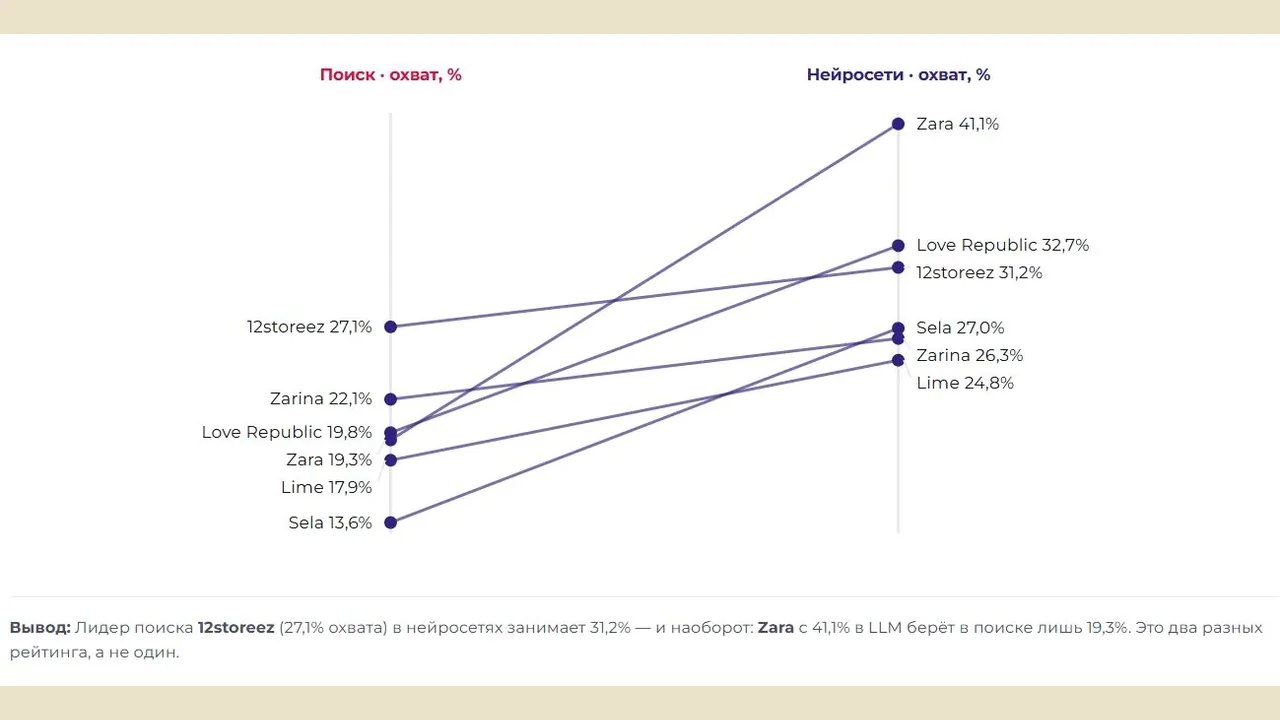
O'stin tops Google and Yandex AI search blocks for informational clothing queries with 10.3% of mentions, while chatbots favor Zara at 2.7%, according to a RateMe study covering more than 50,000 AI responses. Reputational searches split further: 12storeez leads AI search blocks with 27.1% reach, and Zara leads chatbot answers with 41.1%, though each brand still shows up in the other channel, 12storeez at 31.2% in chatbots and Zara at 19.3% in search blocks. Commercial queries barely trigger AI search blocks at all, but chatbots answer them consistently and put marketplaces on top: Wildberries takes 38.7% of mentions, Ozon 35% and Lamoda 30.1%. The study also found mention counts can mislead: 12storeez collected 130 mentions in search AI blocks and ranked first 41% of the time, while Zarina's 103 mentions earned first place only 7% of the time.
DIDENOK TEAM: blogger CPV spans 0.79-14 rubles across TikTok, YouTube, VK, Telegram
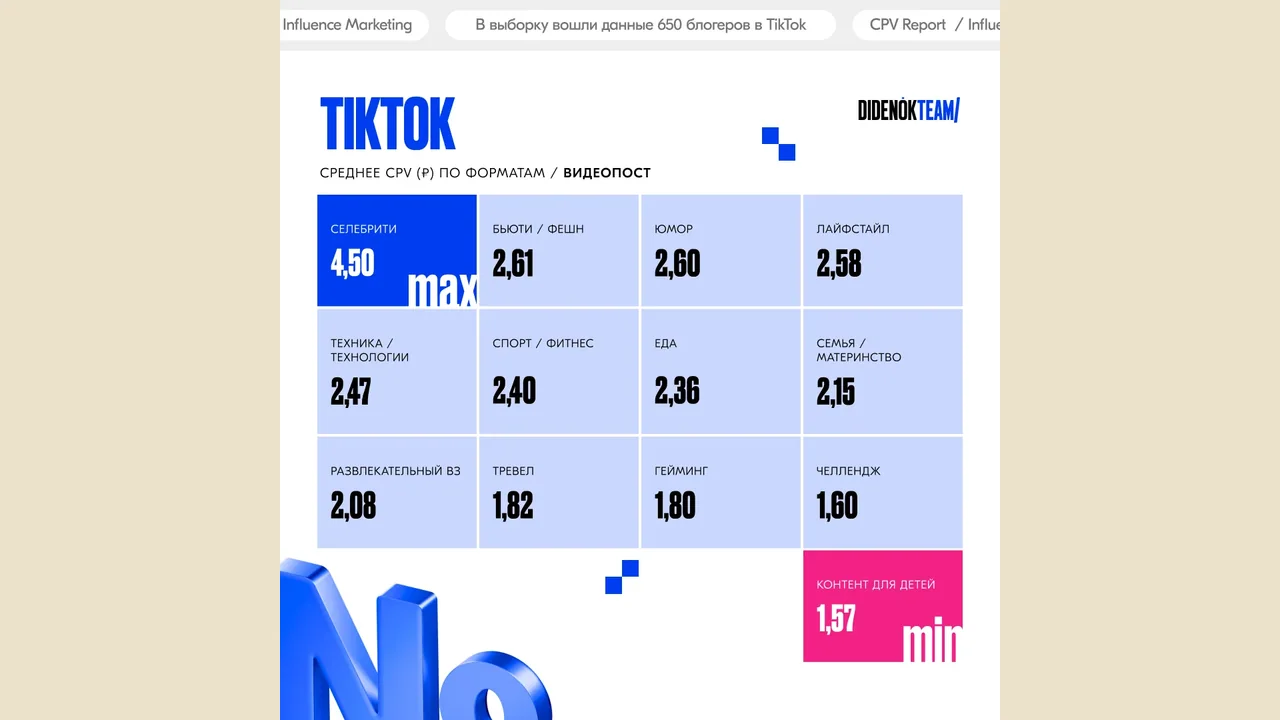
DIDENOK TEAM analyzed pricing data from 550 Telegram, 700 YouTube, 500 VK and 650 TikTok bloggers between July 2025 and July 2026 to calculate average cost per view (CPV) for influencer ad placements. TikTok CPV holds between 1.57 and 2.61 rubles across most categories, excluding celebrities, thanks to algorithmic distribution that pushes videos beyond a creator's subscriber base. YouTube prerolls remain the cheapest format, while full integrations cost more because they hold attention longer and read as a creator recommendation. Shorts show the widest price spread: in niche categories like business and auto, Shorts can cost more than full integrations. Telegram prices are rising broadly amid platform turbulence. VK integrations in long-form video are the cheapest format at 0.79 to 1.68 rubles, while VK posts range from 4 to 14 rubles and clips from 2.80 to 12 rubles, with celebrity, sports, beauty and lifestyle categories priced highest.
Kantar and TikTok: TopView ads deliver up to 3.3x the recall lift of in-feed alone
Nine in ten consumers, 89%, respond positively the first time they see a premium advertising format on TikTok, according to new research from Kantar and TikTok. The study surveyed 21,000 people across Australia, Brazil, France, Germany, Saudi Arabia, the UK and the US between February 20 and March 2, 2026. In-feed campaigns produce a 35% uplift in ad recall on their own. Pairing them with TikTok's TopView format pushes that lift as high as 3.3 times the in-feed baseline. Kantar used three of its brand intelligence frameworks, Intuitive Association, LIFT and Meaningful Different Salient, to measure response across categories including skincare, entertainment and durable goods. Immediate emotional response, short-term memorability and long-term brand value move together in the results. Media planners shaping 2026 and 2027 budgets are the intended audience for the research.
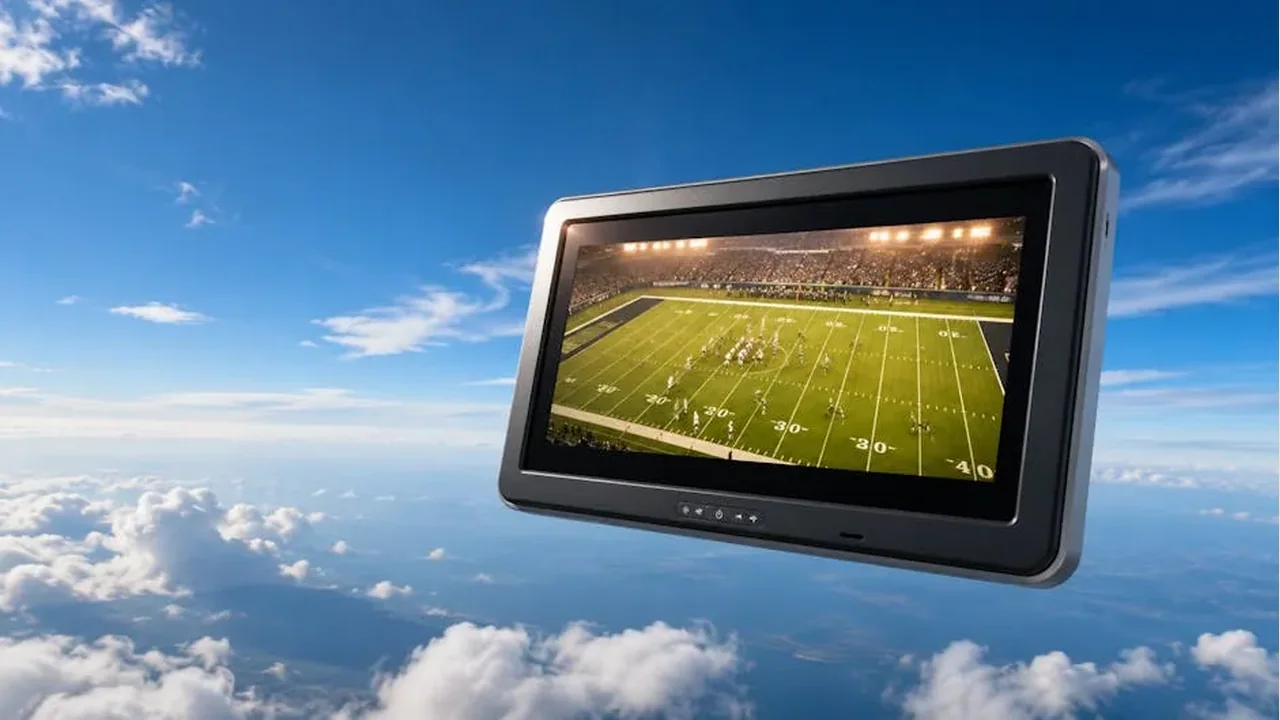
United beams a live ESPN fantasy football pick from 35,000 feet on Starlink wifi
An ESPN fantasy football host will make his draft pick live from a United flight next Tuesday, connected via Starlink wifi at 35,000 feet while the rest of the panel drafts from ESPN's Bristol, Connecticut studio. United's chief advertising officer says the moments that matter "don't stop when you take off." The stunt runs on top of Kinective Media, the airline-run media network United launched in 2024, built on more than 100 million traveler profiles tied to a verified identity from booking data and TSA screening. United estimates an average flight delivers around three hours of a single passenger's attention, and Starlink now runs on more than 500 United aircraft, giving Kinective a live connection that can carry premium video into the cabin during the flight itself.