

Treffiletti: ChatGPT's ad unit is quiet and labeled, backlash is overblown
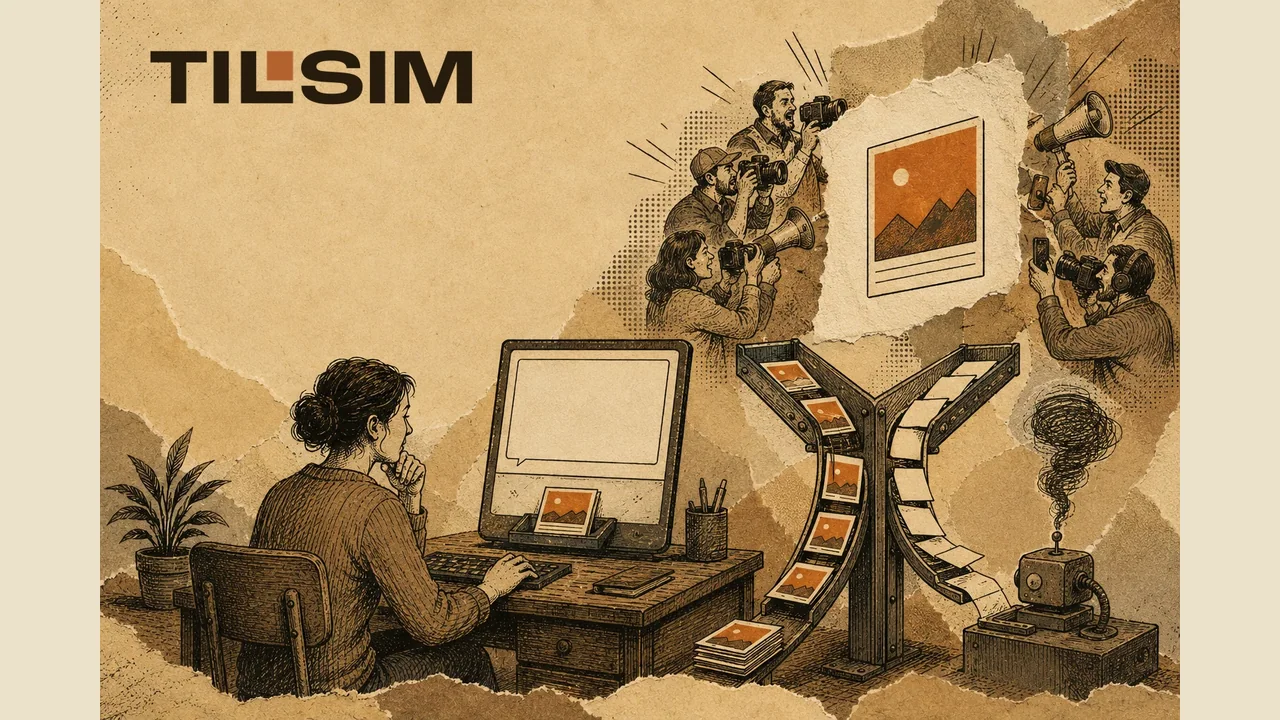
Ads inside ChatGPT are "quiet, clearly labeled, and easy enough to ignore," Cory Treffiletti writes in MediaPost, describing sponsored cards that appear as a small image below an answer and are marked as separate from the results. Treffiletti, a marketer, says he has seen the same advertiser only a few times, which he attributes to the tool's targeting having little to work with given his narrow use of it. He sets his experience against the reaction to OpenAI's ad rollout, including a widely shared screenshot showing ChatGPT recommending Peloton in a conversation unrelated to fitness, and he calls both that post and warnings that OpenAI could lose its user base overreactions. He also argues that outrage over the ads generates attention and ad revenue of its own, since a screenshot of a bad suggestion draws thousands of impressions from people eager to criticize it.
Budgets moving into chat interfaces will meet ad units built like paid search: a small image, clearly separated from the answer. Treffiletti expects that ad-to-user format to keep expanding across chatbots even as pockets of backlash persist online, and he frames the durable question as whether platforms that sell placements can stay trustworthy in every other interaction. Buyers weighing spend in this channel should track that trust question closely as the format matures.