

Digest of the day
September 3, 2026
10 stories
IAB projects CTV ad spend will climb 14% in 2026, even as Dentsu's James Wilby argues brands still undersell premium video for short-term sales. TikTok folded ByteDance's Dreamina model into Symphony for text-to-video ads, Sony launched Live TV with 100+ free channels on PS5 in the US, and Snap opened Unified Attribution to every app advertiser worldwide.

IAB: CTV ad spend to grow 14% in 2026, outpacing overall ad market
AdExchanger columnist Rick Bruner argues that connected TV should build its measurement case on randomized controlled experiments, calling them the strongest evidence of causality available to advertisers. IAB projects CTV ad spend will grow 14% in 2026, ahead of the overall ad market, and Bruner ties that growth to proof of the medium's effect on sales. Search and social platforms built their advantage on attribution inside closed systems; retail media networks link ads directly to transactions. CTV can claim a different measurement territory: testing premium video against total business outcomes through routine randomized trials. Experiments can run at the household, designated market area or ZIP code level, drawing on the 210 U.S. DMAs as testing units. Geo experiments let advertisers measure lift through their own CRM or transaction data using only ZIP code and purchase date, tying incremental sales directly to the revenue figures finance teams track in the P&L.
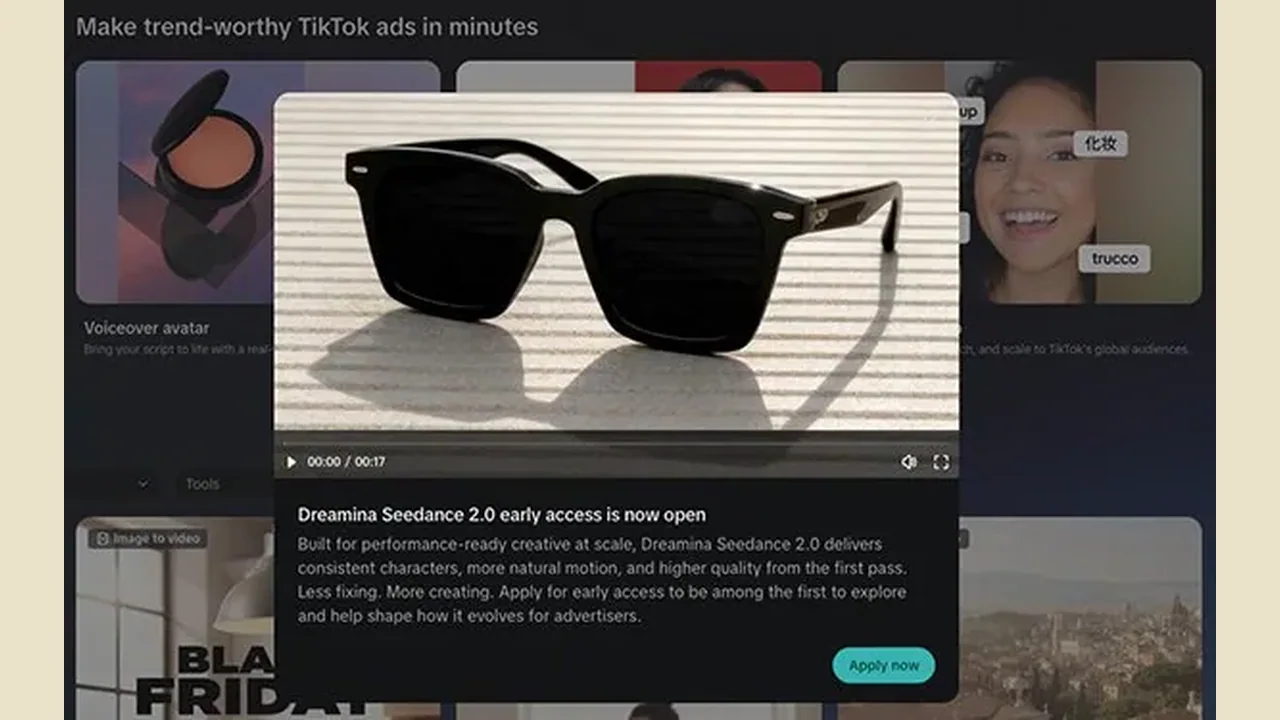
TikTok Adds ByteDance's Dreamina AI Video Model to Symphony Ad Suite
ByteDance has integrated its Dreamina video model, built on the Seedance 2.0 architecture, into TikTok's Symphony advertising suite, letting brands generate full branded video ads from text prompts, images and reference clips. The tool moves Symphony beyond script generation into automated video production, with ByteDance saying Dreamina improves consistency of product depictions across video segments to boost recognition. Dreamina appeared first inside CapCut, ByteDance's free editing app, in select markets last month before reaching TikTok's ad tools. TikTok says the model went through testing by internal safety and intellectual property teams along with third-party red-teaming partners, and Symphony applies AI labels, safety technology and moderation checkpoints to generated content. Advertisers, small businesses and creators can reject any video Dreamina produces. Symphony launched in May 2024, following Meta's own AI ad push, and TikTok has since added digital avatars, AI dubbing and the automated Smart+ ad solution.

Dentsu's James Wilby: premium video and CTV underused for short-term sales
James Wilby, Head of AV Trading at Dentsu, says the industry undervalues premium video and CTV as a short-term sales driver by treating it purely as a brand-building tool. In a VideoWeek interview published September 2, 2026, Wilby argues that with the right metrics and cost structures, premium video can perform as strongly as social and online video on business outcomes. He points to the complexity of the video ecosystem as the core problem: the same content often reaches buyers through multiple routes with different pricing, technology layers and fees, a pattern he calls co-exclusivity. That complexity pushes advertisers to benchmark premium video against cheaper environments that offer less value, especially for brand-building. Dentsu has built a curated YouTube marketplace called YouTube Fit for TV with broadcast and premium partners, and its Total AV team spans linear, BVOD, streaming and CTV to plan across the full mix.

Netflix and Cocio activations highlight OOH's shift to real-time data and spectacle
Media4Growth highlighted three recent OOH campaigns involving Ocean and Ocean Labs as examples of the format's shift toward screens and moments. Netflix Nordic and Ocean Labs staged a synchronised drone show above Oslo for the release of Troll 2, using 600 drones to form a 100 metre troll. Netflix also worked with Ocean, Paloma, Westfield Rise and We Make You Happy to turn Westfield Mall of the Netherlands into the "Mall of Misery" for the second season of Wednesday, drawing more than 10,000 visitors through walk-through sets. In Denmark, chocolate milk brand Cocio worked with Ocean Labs on a Delayed Discounts campaign that used real time traffic data to trigger dynamic QR codes on DOOH screens, converting more than 3,000 passenger interactions into drink discounts as train and bus delays lengthened.

Sony debuts Live TV on PS5, 100+ free ad-supported channels, US first
Sony Pictures Television has introduced Live TV on PS5, a service offering more than 100 free ad-supported video channels for PlayStation 5. The service is live in the US, with a launch in Canada expected soon, Variety reports, citing company data. Sony says the package will include programs from partners such as ABC News, ESPN, Fox, NBCUniversal and the NFL Channel, and that new channels, themed programming and live broadcasts will follow later. As of June 30, 2026, Sony had sold more than 95 million PS5 consoles worldwide, according to Sony Interactive Entertainment. The company will work with TV ad specialists Publica and PubMatic and expects advertiser interest to run high. Peter Wood, Sony Pictures Entertainment's EVP of consumer platforms and services, said PS5 users "play games and watch video, rarely appearing in other TV environments."
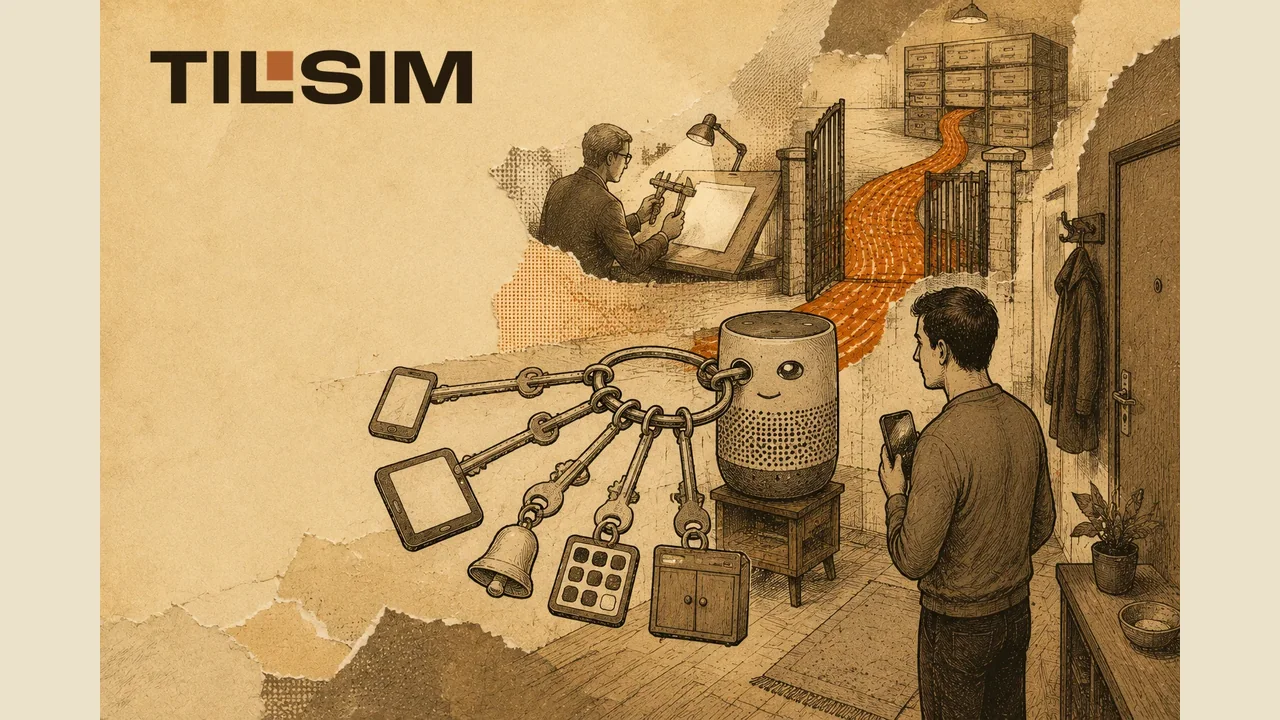
Russia weighs giving Yandex's Alisa AI deeper access to phone and speaker data
Russia's Ministry of Digital Development is discussing rules that would give Yandex's Alisa AI assistant expanded access to data stored on users' phones, tablets and smart speakers, with that data held on Yandex's own servers, Kommersant reported citing sources. The proposal covers pre-installation requirements for domestic apps on devices imported into Russia, including hardware running Amazon's Alexa, Apple's Siri and Google Assistant. An earlier draft resolution, since pulled from public view and sent back for revision, described the AI assistant as a service with access to apps, system functions, notifications, authorization and hardware capabilities. The push follows separate Yandex data showing traffic from Alisa AI into Russian e-commerce grew 4.6 times since the start of the year, up 358%, a shift the company describes as new purchasing behavior. No final rules have been adopted yet.
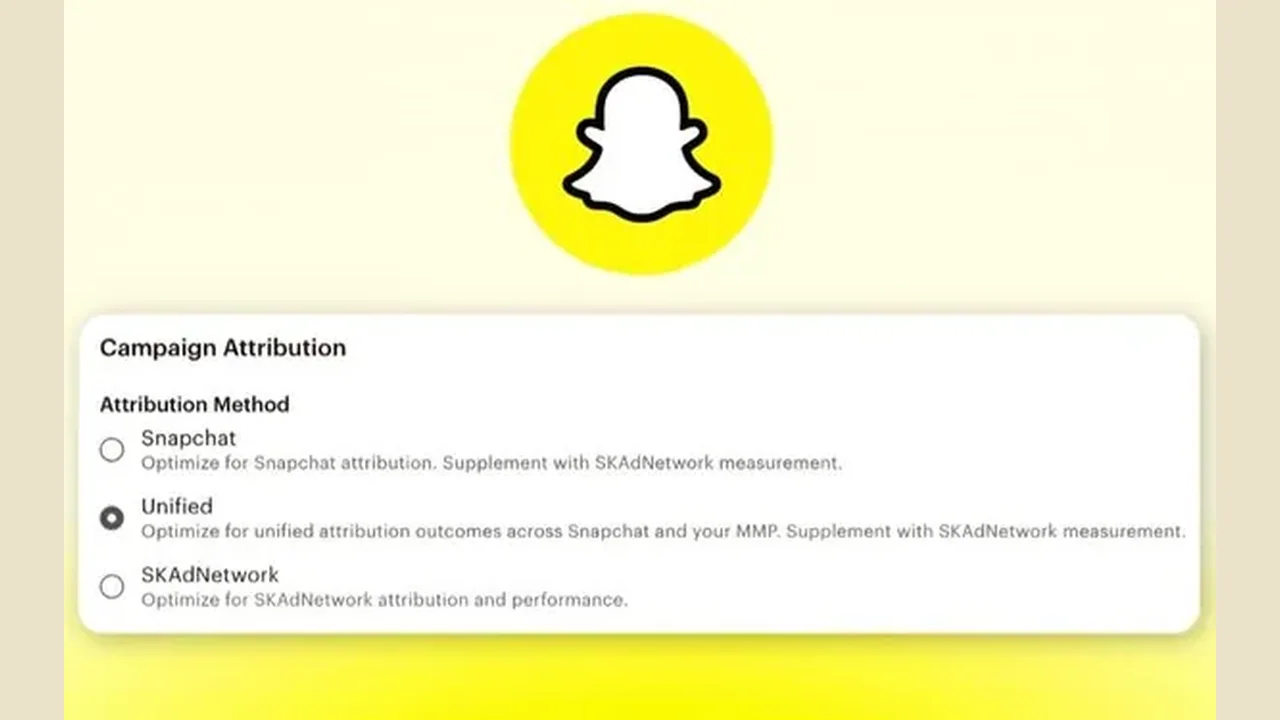
Snap Expands Unified Attribution Beta to All App Advertisers Globally
Snap Ads Manager now shows native ad metrics and third-party measurement data from AppsFlyer and Adjust in a single tab, after Snap expanded its Unified Attribution model to every app advertiser worldwide. The model entered beta in May and lets advertisers scale spend on real-time signals, including partner-reported conversions, without switching between separate reports. Early testers, including Mohegan Sun Online Casino, financial app Deblock, and mobile publisher Codeway, reported lower costs, improved ROAS, higher reach, and more app installs after adopting the unified view. AppsFlyer's Bright Park, the company's Principal PDM, said the update closes a gap where publishers optimize against their own attribution signal while advertisers budget against a different one. Snap said it is onboarding additional measurement partners.

Treffiletti: ChatGPT's ad unit is quiet and labeled, backlash is overblown
Marketer Cory Treffiletti says the sponsored cards now appearing inside ChatGPT are basic, clearly marked and easy to ignore, and he argues the online backlash against them is overblown. In a MediaPost column, he describes ads that show up as a small image below an answer, always labeled apart from the results, and notes he has seen the same advertiser only a few times because his usage in the tool is narrow. He contrasts his experience with the reaction to OpenAI's ad tests, including a widely shared screenshot of ChatGPT recommending Peloton in an unrelated conversation, calling that reaction an overreaction. Treffiletti predicts ads to users inside chat interfaces are permanent and will keep improving, and he expects most users to barely notice them even as vocal critics stay loud online. He argues the loudest complaints about the ad unit are really about trust in the system.

Glance partners with ACAM to bring official Mexican TV audience data to global clients
ACAM, the Alianza para la Calidad de la Medición Multimedia en México and the country's official TV audience measurement body, has signed a partnership agreement with Glance, the international TV and video market intelligence company. The deal adds ACAM's linear TV audience dataset to Glance's international offering, giving clients outside Mexico access to official Mexican viewing data. ACAM's panel currently covers 78% of Mexico's urban population through 2,000 households, and the organization is expanding it to 3,500 households and 7,200 individuals. Frédéric Vaulpré, Senior Vice President at Glance, said the partnership lets clients examine a market where local productions remain popular alongside growing demand for Korean dramas and Spanish series. Salma Esteban, Head of Business Operations at ACAM, called the agreement an opportunity for both organizations to grow their international presence. ACAM is the first Joint Industry Committee created in Latin America, built on the practices of established measurement bodies worldwide.

EMARKETER forecasts US DTC sales to plateau at 19% of online retail through 2028
Direct-to-consumer describes products a brand sells directly to buyers through its own website, app or store, excluding marketplace sales through Amazon or TikTok Shop, per EMARKETER's definition cited by PPC Land. A May 2025 EMARKETER forecast projects US DTC e-commerce sales will level off at around 19 percent of total US retail e-commerce sales through 2028. Growth in the category surged in 2020 and 2021 as pandemic store closures pushed shopping online, then began to plateau. Measurement remains a live problem for brands running DTC alongside other channels: research from Incremental, covering more than 150,000 campaigns across four retail media networks, found siloed attribution missed between 36 and 53 percent of total retail media impact, rising to 67 to 80 percent for off-site video. TikTok Shop published documentation on August 6, 2026 for an Off-site Performance Analysis report that tracks DTC and Shopify sales but excludes Amazon, Walmart and offline channels.