

Digest of the day
September 14, 2026
10 stories
Amazon faces an FTC suit alleging it misrepresented second-price auctions while charging near-full bids 80% of the time, pulling in over $20 billion since 2019, and HUMAN Security clocked automated traffic growing 23.51% in 2025 versus 3.10% for humans. Elsewhere, Triton Digital, GumGum and Reddit rolled out new targeting and AI ad tools, while EDO found Ozempic's streaming ads outperforming linear by 57%.

Triton Digital Launches Demos+ Demographic Targeting Inside Its Podcast Ad Platform
Triton Digital has launched Demos+ Demographic Targeting inside its Triton Ad Platform, letting advertisers target podcast shows and episodes by audience demographics, media behavior and purchase intent. The tool builds on Demos+, Triton's survey-based podcast audience measurement product, and attaches the targeting signal to the content itself, so buyers can apply it across podcast inventory at scale without cookies or device identifiers. Publishers keep control of their own listener data. Demos+ Targeting is live now for publishers with audiences in the United States, Australia and the Netherlands; outside those markets, publishers can reach content-level targeting through Sounder, Triton's AI-powered audio intelligence platform. John Rosso, President and CEO of Triton Digital, said the update lets buyers plan against an audience profile and gives publishers credit for the audiences they deliver.

GumGum launches Sports Media, turning verified sponsor logo views into ad audiences
Relo Metrics and VideoAmp now power GumGum Sports Media, a suite launched September 9, 2026 that converts confirmed sponsor logo exposure during live broadcasts into audiences brands can target across web, connected television and online video. Relo's computer vision detects when a logo appears on screen, measuring prominence, duration and placement. VideoAmp then resolves that exposure to specific households, producing audiences built from confirmed viewership. Three products sit inside the suite: Replay retargets fans who saw a brand's placement live, Counterplay lets a brand target fans who saw a rival's logo during the same broadcast, and Sports Audiences reaches verified fans of specific leagues through VideoAmp's VXA tool. Coverage spans the NFL, NBA, WNBA, MLB, NHL, MLS, NWSL, F1 and NCAA Football. VideoAmp's Danielle Zazula said brands have "largely had to defend that spend with proxies instead of proof."

Ad Net Zero's GMSF 1.3 sets shared emissions standard for 95% of media spend
Ad Net Zero has released version 1.3 of its Global Media Sustainability Framework (GMSF), a common methodology for measuring and reporting media emissions that now covers media representing 95% of global media spend. Speaking to IAB UK's Beatriz Viera, MG OMD's Tim Pritchard called the update a major step forward because it gives advertisers and agencies a shared way to measure and report emissions. Responsible Marketing Advisory's Aina Fuller said the framework aligns with the GHG Protocol and ISO 14067, so media emissions can feed directly into a company's Scope 3 reporting. Impact Plus's Lucy Zakrzewska pointed to a recent programmatic pilot that cut carbon intensity by 49% and cost per video view by 45% through smarter supply selection. Good-Loop's Ryan Cochrane said sustainability work has ramped up over the past six to twelve months even as public attention on the topic faded.
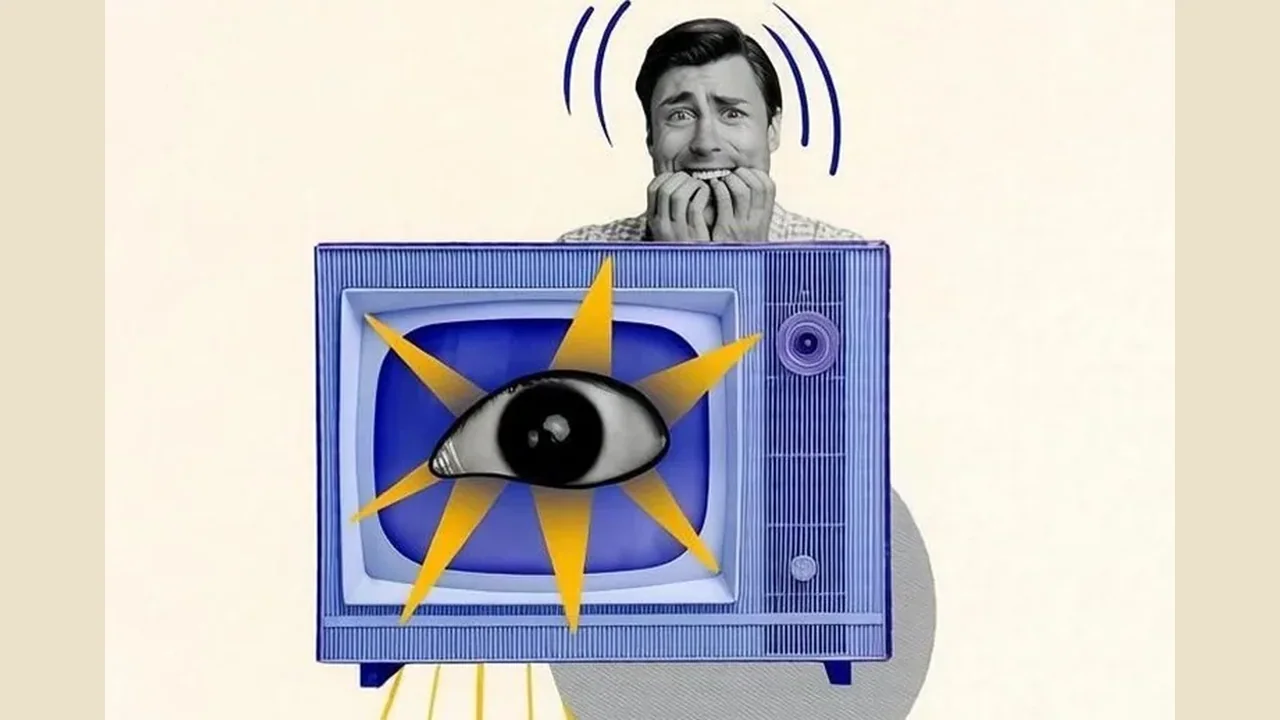
LG smart TVs collect data and record audio even when offline, feeding LG Ad Solutions
Variety, citing an investigation by YouTube channel Gamers Nexus and vlogger Level1Techs, reports that LG smart TVs scan nearby Wi-Fi networks, capture IP and MAC addresses, and record ambient audio through onboard microphones even in sleep mode and while disconnected from the internet. The audio is stored offline and uploaded once the TV reconnects. LG's Automatic Content Recognition system also analyzes audio and video signals from apps, HDMI inputs and other ports to identify exactly what is playing, whether a game console, a live channel or a computer monitor feed. All of the data flows into LG Ad Solutions, the company's advertising division. The finding follows a July 2025 Gamers Nexus report that some LG monitors installed an unwanted app bundled with McAfee pop-up ads, and a 2026 lawsuit from the Texas attorney general over TV surveillance without consent. LG has updated its terms to require owners to warn guests that the TV listens to conversations.
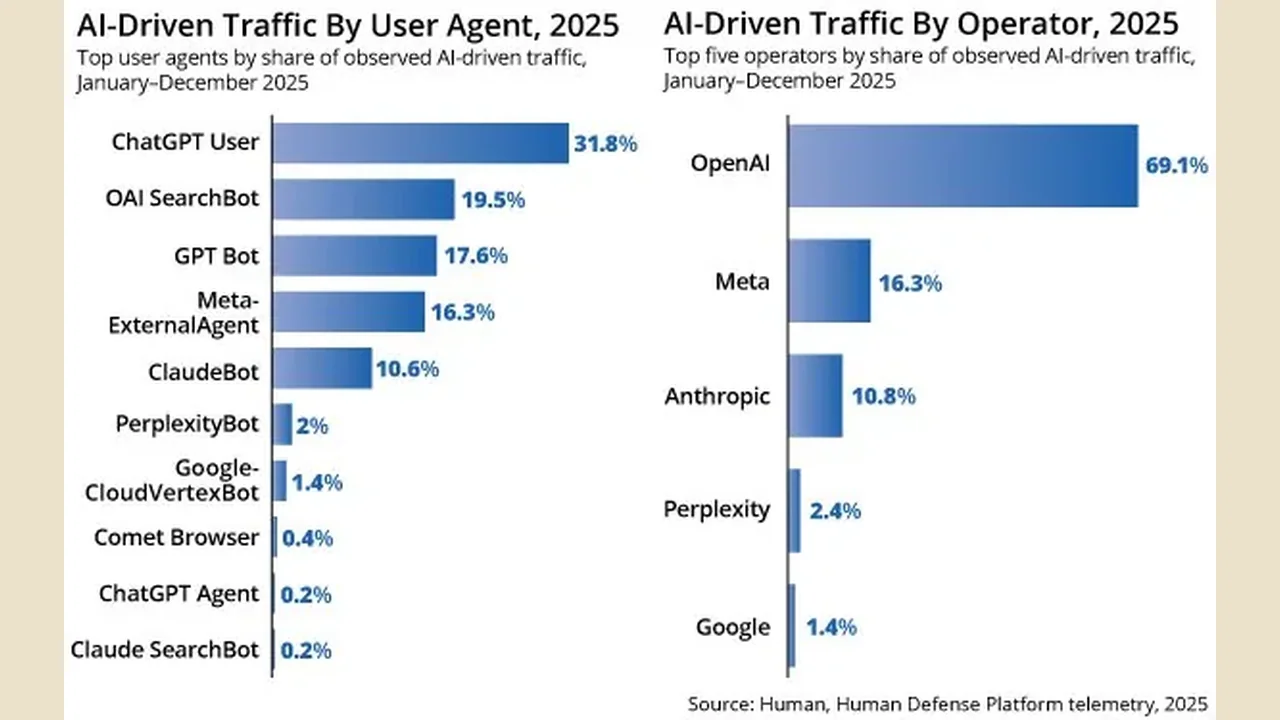
HUMAN Security: Automated Traffic Grew 8 Times Faster Than Human Traffic in 2025
Automated traffic, including bots and AI agents, grew 23.51% year over year in 2025, compared with 3.10% growth in human traffic, according to HUMAN Security's 2026 State of AI Traffic & Cyberthreat Benchmark Report. Monthly AI-driven traffic surged 187% over the year. About half of all online traffic is now machine-based, CEO Stu Soloman said, with roughly 2% coming from agentic AI acting on behalf of users. Retail and ecommerce, streaming and media, and travel and hospitality accounted for more than 95% of this automation. OpenAI bots made up about 69% of AI-driven traffic, Meta-ExternalAgent 16%, and Anthropic's ClaudeBot and Claude-SearchBot roughly 11%. Account takeover volume fell more than 30% in 2025. HUMAN's customers averaged 402,000 post-login compromise attempts each, quadrupling from nearly 100,000 in 2024. Soloman expects agentic traffic to expand further in 2026 as AI agents move from search to completing transactions and logins on users' behalf.

Amazon FTC lawsuit spotlights inconsistent auction disclosure across its ads business
The FTC sued Amazon last week, alleging the company misrepresented its ad auctions as second-price while charging advertisers close to their full bid 80% of the time, extracting more than $20 billion since 2019 from Sponsored Products, Sponsored Brands and Display. Amazon disputes the claims. AdExchanger columnist Sarah Caputo extended the scrutiny to Amazon's DSP, which sits outside the FTC complaint. She found Amazon describes its invitation-only Private Auction product, including Prime Video inventory, in at least two ways: a standard second-price mechanism in general marketplace guidance, and a variable CPM based on optimization in DSP help documentation. Training materials she reviewed lacked a visible floor price or clearing formula. Amazon Publisher Services states plainly that third-party inventory clears through a 'unified, first-price auction in which the highest bid always wins.'

Ozempic ads 57% more effective on streaming than linear TV in Q3, EDO finds
EDO's Q3 report puts Ozempic's streaming TV ads 57% ahead of its linear TV ads in driving consumer engagement, including brand searches and site visits. Novo Nordisk's diabetes drug held 32% of total ad exposures across the category, the largest share of voice among all diabetes brands measured, ahead of Eli Lilly and Boehringer Ingelheim's Jardiance at 28% and AstraZeneca and Bristol-Myers Squibb's Farxiga at 21%. Streaming outperformed linear by 6% across the entire diabetes category during the quarter. Dexcom's continuous glucose monitor ads posted the strongest results overall, 84% more effective on streaming than linear and 208% above the category average across combined streaming and linear exposure. EDO also found engagement tracked with regional diabetes and obesity rates: Parkersburg, West Virginia and El Paso showed the highest engagement, while Seattle and Boston showed the lowest.
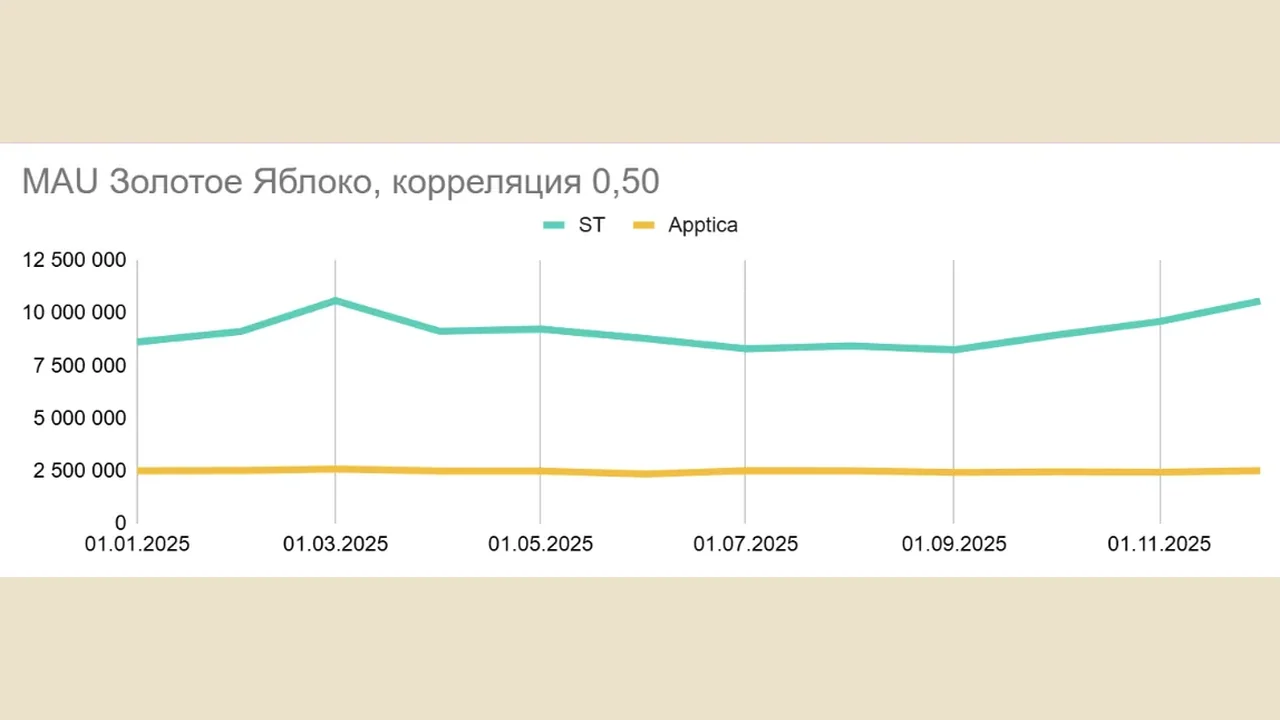
ppc.world test: Sensor Tower and Apptica miss real app installs by up to 4.7x
Marketing analytics outlet ppc.world benchmarked two App Intelligence platforms, Sensor Tower and Apptica, against real 2025 data from Mobile Measurement Partner AppsFlyer for one undisclosed app. Both platforms undercounted actual installs, missing the true figure by 1.58 to 4.69 times. Sensor Tower tracked install trends more closely, with a Pearson correlation of 0.53 against AppsFlyer's data, compared with 0.44 for Apptica, which produced occasional spikes that contradicted AppsFlyer's numbers. On monthly active users, Sensor Tower's average across iOS and Android landed within 6% of the real figure, while Apptica's Android estimate diverged by 2.62 times even though its month-to-month correlation reached 0.87. A separate check across five apps showed the two platforms' MAU estimates varied widely against each other, with gaps reaching several million users in some cases.
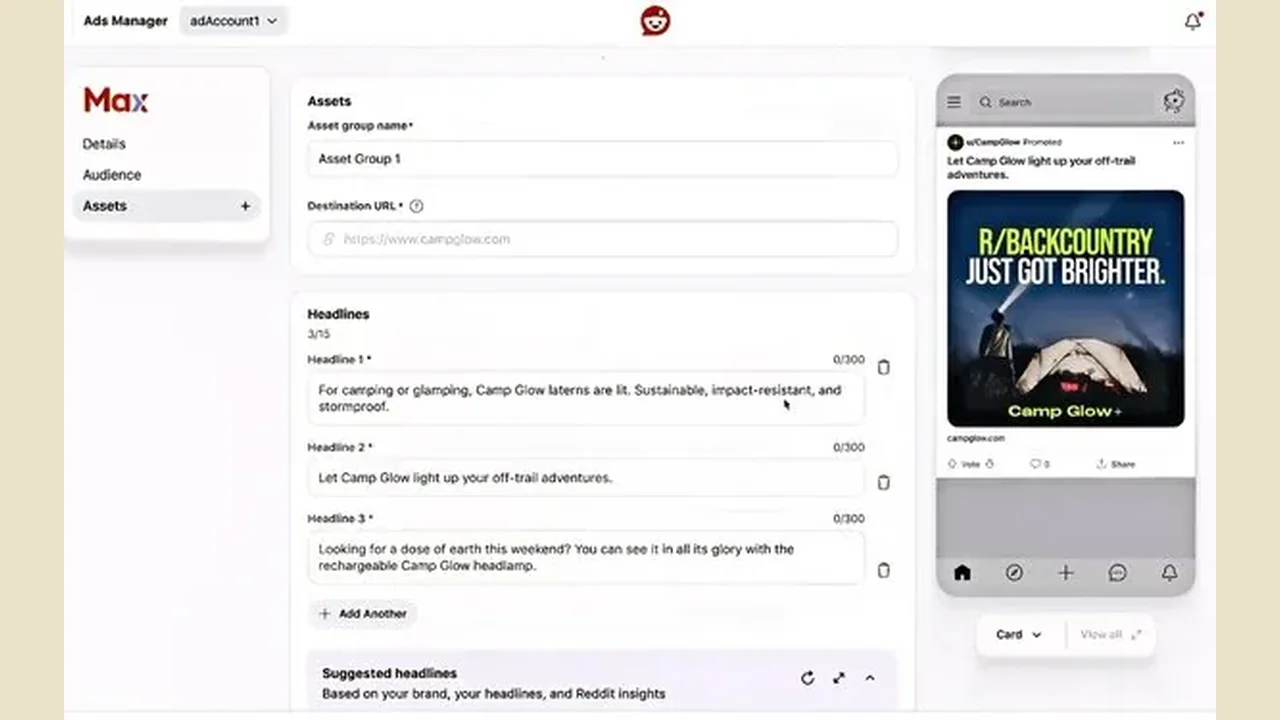
Reddit rolls out Max AI ad campaigns to all advertisers, opens up API access
Reddit is opening its AI-powered Max campaign tool to every advertiser on the platform, expanding a program it launched earlier this year for select accounts. The rollout adds three capabilities: access through Reddit's advertising API, onboarding of Smartly as the first third-party ad management platform to support Max, and asset groups that let advertisers organize separate creative sets, such as different product lines, within a single campaign. Each asset group can carry its own headlines, media and destination URL, with performance reporting broken out by group. Reddit says advertisers running Max campaigns have seen average cost reductions of 17% and conversion gains of 27% compared with standard campaigns, based on its internal data. Max automates targeting, creative selection, placement and budget allocation using signals from Reddit's audience.

Numeris to swap radio diaries for streaming-based Local+ system this December
Twenty-two Canadian radio markets move from online diaries to Numeris's new Radio Local+ measurement system this December, built mainly on passive broadcaster streaming data and backed by Random Digit Dialing and Day-After-Recall surveys. The new system removes the sample-size limits that diaries carried. Numeris now estimates live AM/FM streaming at 20% of radio consumption, up from an earlier 11% figure, and that jump raises questions about which estimate was accurate. Streaming listeners skew younger than over-the-air and in-car audiences, so building total market estimates from streaming-heavy data carries a real risk of demographic distortion. David Bray, president of Bray & Partners Communications, writes in an op-ed that Numeris confirms Radio Local+ will produce results that differ significantly from diary-based figures, and that the shift creates winners and losers among stations whose ad revenue depends directly on the ratings.